Treatment for seborrheic dermatitis typically involves the use of specific medications to control inflammation and reduce sebum production. Seborrheic dermatitis is a common skin condition characterized by erythema, oily scaling, or crusting on the scalp, face, or chest. The key to treating seborrheic dermatitis lies in suppressing the inflammatory response and regulating sebum production, which is usually achieved through the use of antifungal medications, corticosteroids, and nonsteroidal anti-inflammatory drugs (NSAIDs).
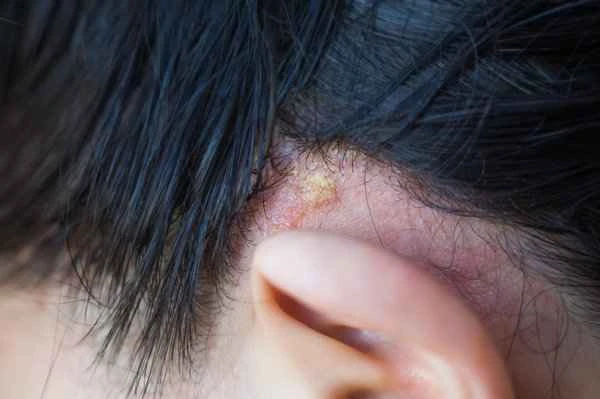
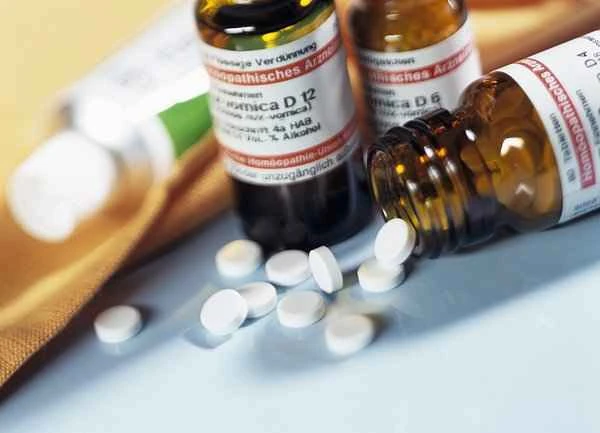
Antifungal drugs such as ketoconazole and terbinafine are commonly used to treat seborrheic dermatitis. They effectively inhibit the growth of Malassezia and reduce inflammation. Corticosteroids such as hydrocortisone and fluocinolone acetonide have strong anti-inflammatory effects and can relieve erythema and itching. Nonsteroidal anti-inflammatory drugs (NSAIDs) such as retinoic acid achieve their therapeutic effect by regulating skin cell growth and differentiation and reducing sebum secretion. These drugs are often used in combination to enhance efficacy and reduce side effects.
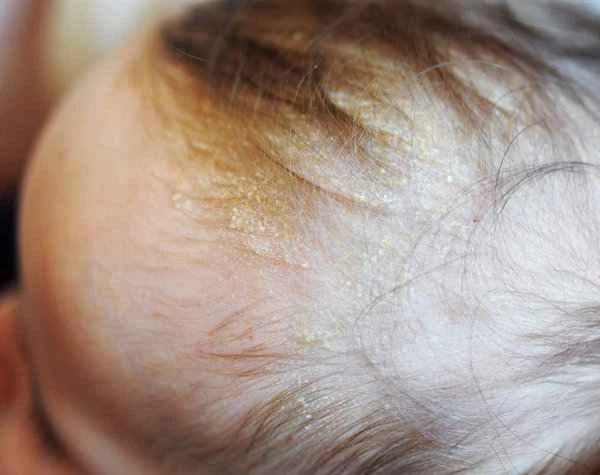
When treating seborrheic dermatitis, patients need to avoid self-purchasing and using medications without a doctor's guidance, as improper use may damage the skin barrier and increase the risk of infection. Treatment for seborrheic dermatitis is not a quick fix; it requires long-term adherence, regular follow-up visits, and adjustments to the treatment plan. Patients should maintain healthy lifestyle habits, avoiding excessive cleansing and the use of harsh skincare products to reduce the recurrence of seborrheic dermatitis.
[Management Tip:]
1. Use antifungal shampoo or ointment recommended by your doctor regularly.
2. Adjust your diet and reduce your intake of high-sugar and high-fat foods.
3. Seek medical attention promptly if symptoms worsen or new symptoms appear.