Scar cancer is treatable, but the effectiveness depends on various factors. Scar cancer, also known as scar malignancy or scar carcinogenesis, refers to a condition where malignant changes occur in certain chronic wounds or scar tissue, forming skin cancer. Treatment for scar cancer typically includes surgical excision, radiation therapy, and chemotherapy. Surgical excision is the preferred method, as it removes as much diseased tissue as possible to reduce the spread of cancer cells. Radiation therapy and chemotherapy are used as adjuvant therapies to kill any remaining cancer cells and prevent recurrence. The combination of these treatments can significantly improve treatment outcomes and patient prognosis.
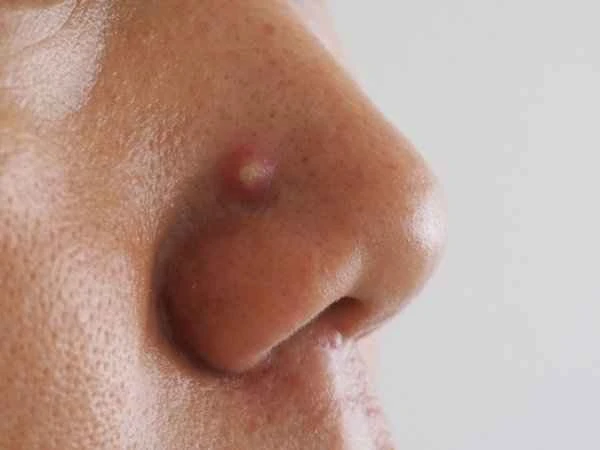
Several key factors need to be considered in the treatment of scar cancer, including the extent and depth of the lesion and whether metastasis has occurred. Early detection and treatment usually lead to better outcomes. The patient's age, physical condition, and response to treatment are also important factors affecting treatment effectiveness. When developing a treatment plan, doctors will consider all these factors to choose the most suitable treatment method for the patient. Treating scar cancer is a complex process that requires the comprehensive use of multiple treatment methods. During treatment, patients need to closely cooperate with their doctors' guidance and undergo regular follow-up examinations and monitoring to ensure treatment effectiveness.
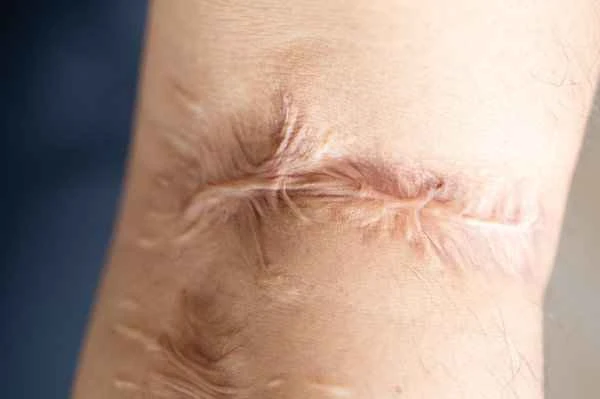
When facing the treatment of scar cancer, patients may encounter some misconceptions, such as over-reliance on a single treatment method and neglecting the importance of comprehensive treatment. Some patients may delay treatment due to concerns about side effects, which may lead to a worsening of the condition. Understanding the complexity of treating scar cancer and adopting a positive attitude towards treatment are crucial for improving prognosis.
[Management Tip:]
1. Have regular skin checkups, especially for people with chronic wounds or scars.
2. If symptoms such as changes in skin color, hardening of texture, or pain occur, seek medical attention promptly.
3. Follow your doctor's advice and actively receive comprehensive treatment, including surgery, radiotherapy, and chemotherapy.
4. Maintaining good lifestyle habits and strengthening the body's immunity can help improve the treatment effect.