Many people may worry about the possibility of a black mole appearing on the sole of their foot, wondering if it could become malignant. Black moles, also known as melanocytic nevi, are a common form of skin pigmentation. While most melanocytic nevi are benign, certain characteristics may indicate a risk of malignancy.
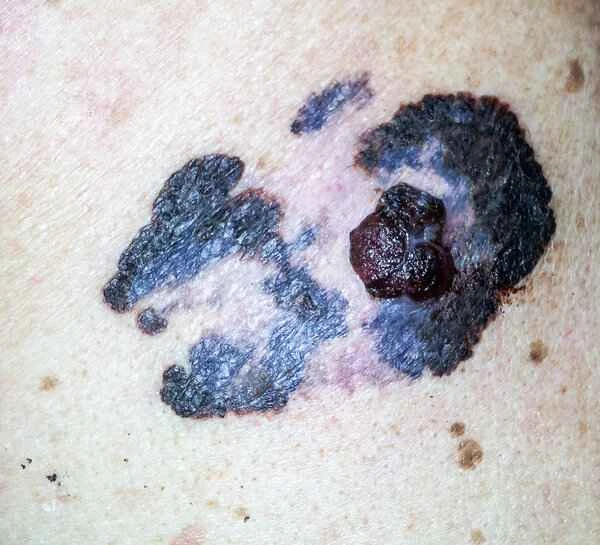
If a mole changes in size, shape, or color, it could be an early sign of malignancy. For example, a mole that is larger than 6 millimeters in diameter, or whose edges become irregular or blurred, may indicate a risk of malignancy. You should also pay attention if the mole becomes uneven in color, turning red, white, or blue, or if it bleeds, oozes, or scabs. If symptoms include persistent pain, itching, or burning, or if the skin around the mole becomes red, swollen, or painful, this could indicate a more serious health problem and requires immediate medical attention.

In addition to the accompanying symptoms mentioned above, the risk of malignant transformation of moles may also be influenced by genetic factors, ultraviolet radiation exposure, and immune status. Any mole that shows changes, especially those with the characteristics described above, should be professionally examined as soon as possible.
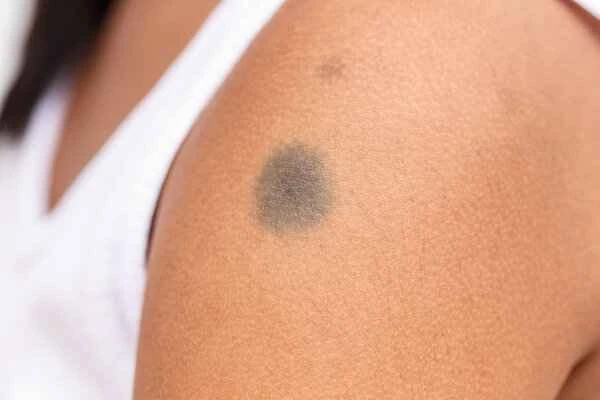
[Prevention Tips:]
1. Regularly check your skin and pay attention to any new moles or changes in existing moles.
2. Reduce prolonged exposure to sunlight, especially during periods of intense sunlight.
3. Use sunscreen, choosing products with a high SPF value to protect your skin from UV damage.