Excessive sweating of the scrotum refers to excessive secretion of sweat glands in the scrotum, leading to local dampness, discomfort, and even skin problems. Treatment for excessive sweating of the scrotum mainly relies on a comprehensive approach including improving lifestyle habits, using medication, and surgical intervention when necessary.
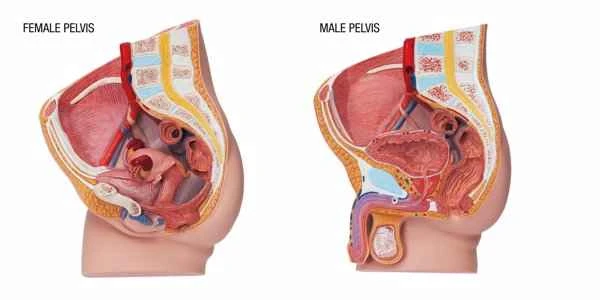
The first step in treating scrotal hyperhidrosis is to identify the underlying cause. Common causes include genetic factors, stress, and local skin conditions. Improving lifestyle habits is the first step in treatment, such as keeping the area clean and dry, choosing breathable cotton underwear, and avoiding spicy and irritating foods. For medication, topical antifungal creams, antiperspirants, or oral antiperspirants can be used to control sweat gland secretion. If medication is ineffective, minimally invasive surgery, such as Botox injections or sweat gland removal, can be considered to achieve long-term control of sweat gland secretion. These treatment methods work together to comprehensively control sweat gland secretion, thereby alleviating the discomfort caused by scrotal hyperhidrosis.

During the treatment of scrotal hyperhidrosis, patients may encounter some misconceptions. For example, some may believe that scrotal hyperhidrosis is normal and requires no treatment, but a prolonged damp environment can lead to fungal infections, which in turn can cause more serious skin problems. Some patients may over-rely on medication and neglect lifestyle adjustments, resulting in poor treatment outcomes. During treatment, patients need to consider multiple treatment methods comprehensively and choose them rationally under the guidance of a doctor to achieve the best treatment results.

[Management Tip:]
1. Keep the scrotum clean and dry, and avoid prolonged dampness.
2. Wear breathable cotton underwear to reduce friction and sweat buildup.
3. If symptoms such as skin redness, swelling, or itching occur, seek medical attention promptly.
4. Use medications rationally under the guidance of a doctor and avoid abuse.