Allergic urticaria may resolve on its own in some cases without treatment, but it is recommended to take appropriate measures in a timely manner to prevent the symptoms from recurring or worsening.
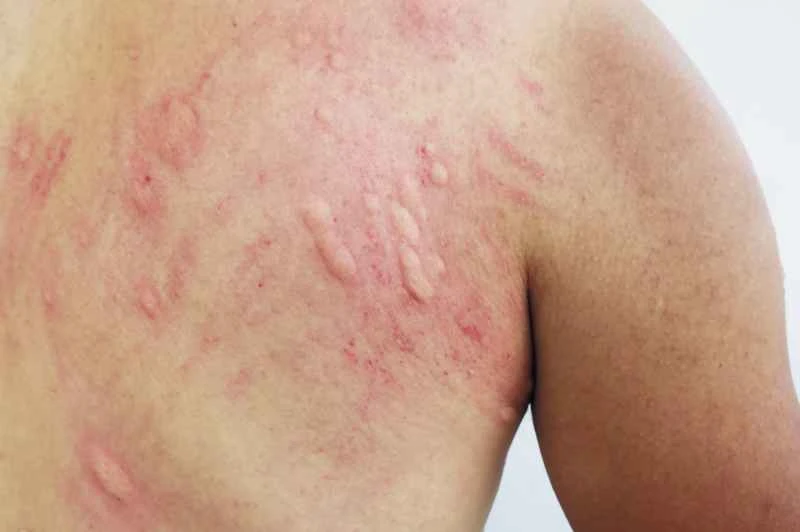
1. Mild symptoms may subside on their own.
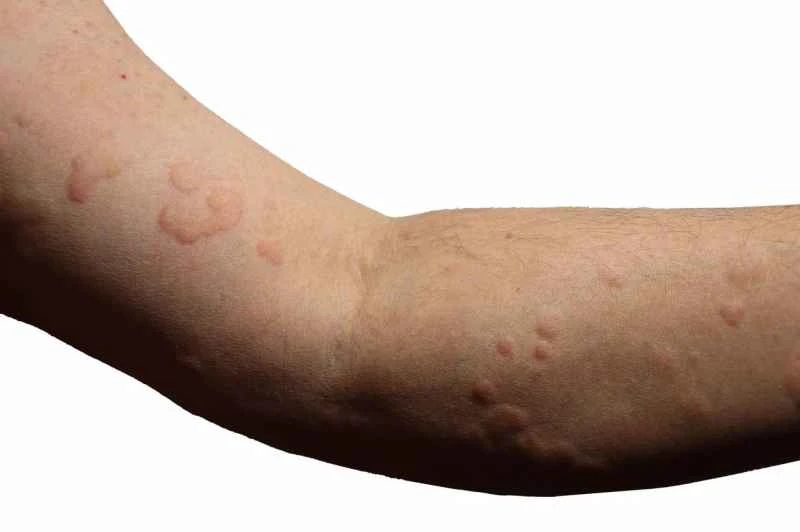
If the rash is small and the itching is not severe, the body may gradually recover after avoiding the allergen, and the symptoms may lessen within hours or days. However, this does not mean that all cases will heal on their own.
2. Pay attention when symptoms persist or worsen.
If the rash recurs, spreads, or is accompanied by chest tightness, difficulty breathing, or other discomfort, it may indicate a strong allergic reaction. Failure to intervene in time may affect daily life or even health.
3. Diverse triggering factors and frequent recurrence.
Food, pollen, and medications can all trigger urticaria. If the cause is not identified and avoided, even if the condition improves temporarily, it may recur in the future.
It is recommended to observe changes in symptoms first and avoid scratching and washing with hot water. If symptoms persist or worsen, seek medical attention promptly for examination and use medication under the guidance of a doctor. At the same time, pay attention to recording the items you come into contact with daily and your diet to help identify potential allergens.