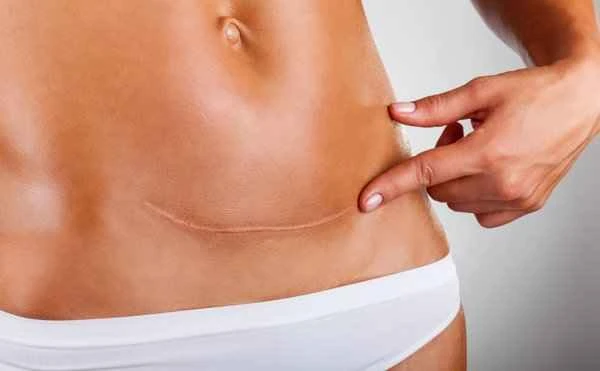
My boyfriend has developed keloids, which could be a sign of keloids (medically known as keloid tumors or keloids). Keloids are overgrown scar tissue that extends beyond the area of the wound, forming a hard lump that rises above the skin's surface.

Keloids are more noticeable when they appear on sites of skin trauma, surgery, or vaccination. They are often accompanied by pain or itching, especially with changes in weather or increased physical activity. They typically appear red or purple, are firm, and have a smooth surface.
Another factor is genetics; if someone in your family has had keloids, the likelihood of others developing them is increased. Keloids are more common in Black and Asian people, and less so in Caucasians.
If the symptoms include rapid enlargement, severe pain, significant redness, swelling, heat, and pain, or signs of infection, it is necessary to consider whether there is an infection or other complications. In this case, you should seek medical attention immediately to prevent the condition from worsening.
[Prevention Tips:]
1. Avoid unnecessary skin punctures, such as tattoos and piercings.
2. Try to avoid surgery or traumatic treatments in areas prone to keloid formation.
3. For existing keloids, keep the wound clean and avoid irritation and friction.
4. Under the guidance of a doctor, use specific treatment methods, such as pressure therapy, silicone sheets, or medication, to reduce the formation and development of keloids.