After a hair transplant, if you experience swollen, red, or itchy hair follicles, it could be due to infection, an allergic reaction, or other skin problems. This requires prompt attention to avoid further complications.
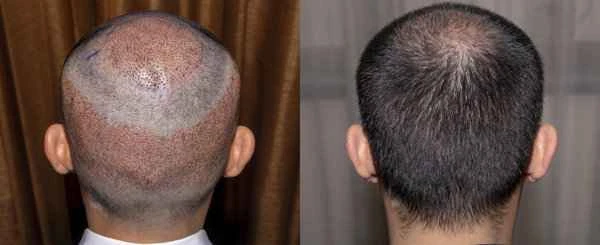
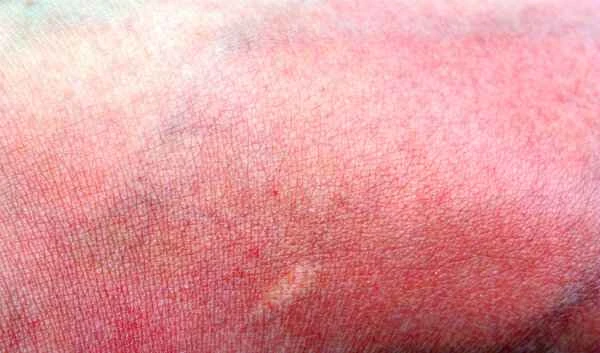
After a hair transplant, swollen, red, and itchy hair follicles may be caused by a bacterial or fungal infection. This infection is usually accompanied by localized redness, increased pain, and increased discharge. If symptoms are accompanied by fever or significant pain, it may indicate a more serious infection. Another possibility is an allergic reaction, which could be due to an allergic reaction to the medications or materials used in the hair transplant procedure. Allergic reactions typically manifest as localized itching and erythema, and symptoms appear or worsen rapidly after contact with the allergen.
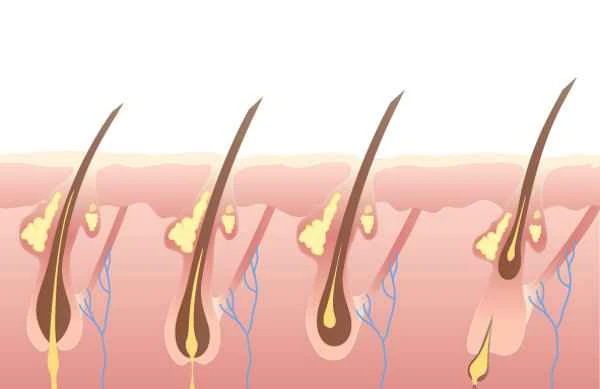
If you experience swollen, red, and itchy hair follicles after a hair transplant, you must be alert to the possibility of a serious infection or allergic reaction. If the symptoms continue to worsen, or are accompanied by serious signs such as fever or increased pain, you should seek professional medical help immediately. Avoid self-medication, as this may mask the condition and delay treatment. At the same time, it is important to note that post-hair transplant care is crucial, including keeping the scalp clean and avoiding scratching, which helps reduce the risk of infection and allergies.
[Prevention Tips:]
1. Keep the surgical area clean and avoid using harsh shampoos.
2. Carefully observe the postoperative recovery process. If any abnormalities are found, seek medical attention promptly.
3. Avoid strenuous exercise or sweating in the short period after surgery to avoid increasing the risk of infection.
4. Follow your doctor's instructions, use medication correctly, and do not change the medication regimen arbitrarily.