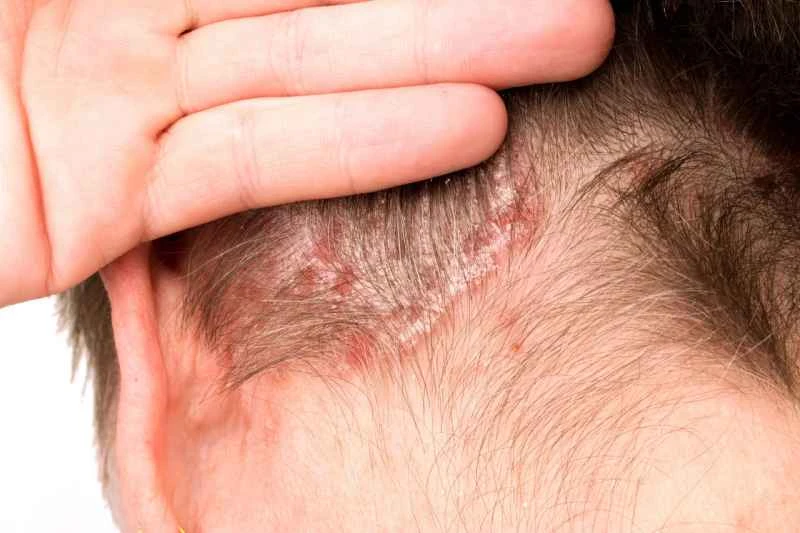
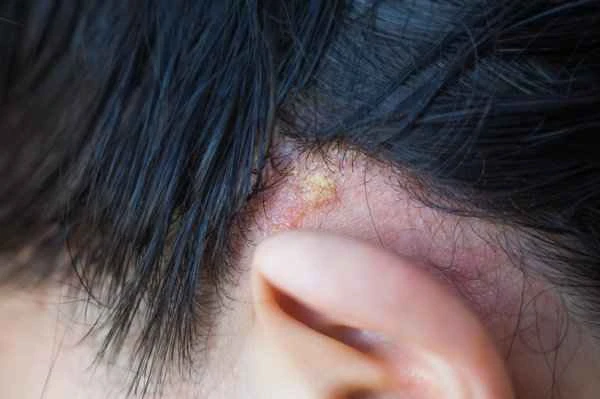
Scaly cheilitis is a common inflammation of the lips, mainly characterized by dryness, peeling, and erythema. Treatment of scaly cheilitis requires a comprehensive consideration of its causes, including environmental factors, allergic reactions, and nutritional deficiencies, and appropriate treatment measures should be taken.
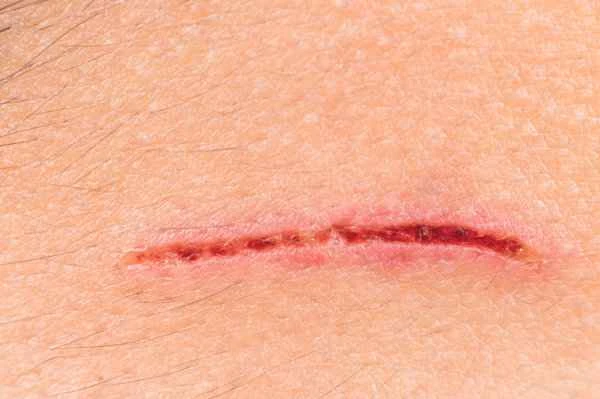
The key to treating exfoliative cheilitis lies in relieving symptoms and addressing the underlying cause. Keep lips moisturized using non-irritating lip balms or moisturizing products like petroleum jelly, avoiding lipsticks containing fragrances or dyes. For exfoliative cheilitis caused by allergies, it's necessary to identify the allergen and avoid contact as much as possible; antihistamines may be used to relieve allergy symptoms if necessary. Supplementing with nutrients such as B vitamins and vitamin E can help improve lip health. In some cases, if symptoms are severe or persistent, topical corticosteroids may be needed to reduce inflammation.
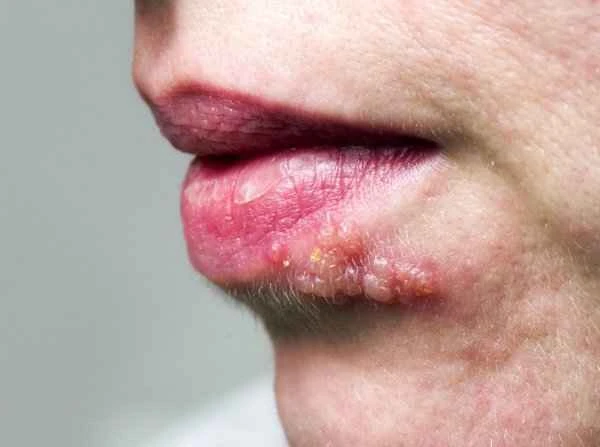
When treating exfoliative cheilitis, it's important to avoid using products that may cause irritation or allergic reactions, such as lip balms containing fragrances, dyes, or alcohol. Also, avoid excessive licking or scratching of the lips, as this can worsen the inflammation. If symptoms do not improve or worsen during treatment, seek medical attention promptly for further examination and treatment.
[Management Tip:]
1. Keep your lips moist and avoid using irritating products.
2. Identify and avoid allergens, and use antihistamines if necessary.
3. Supplement with nutrients such as B vitamins and vitamin E.
4. If symptoms persist or worsen, seek medical attention promptly.