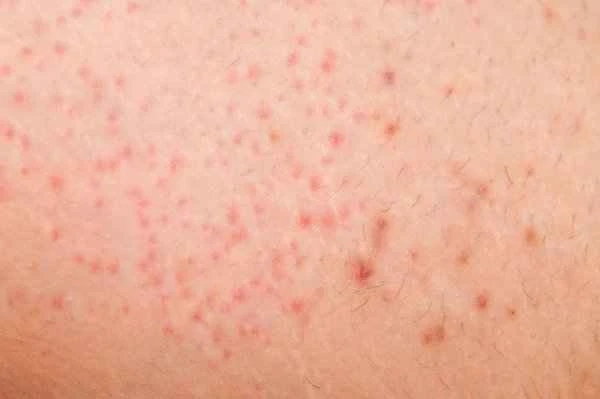
Treatment for urticaria usually requires medication as directed by a doctor, along with daily care to relieve symptoms. It is recommended to seek medical attention promptly to determine the cause and avoid self-medication.
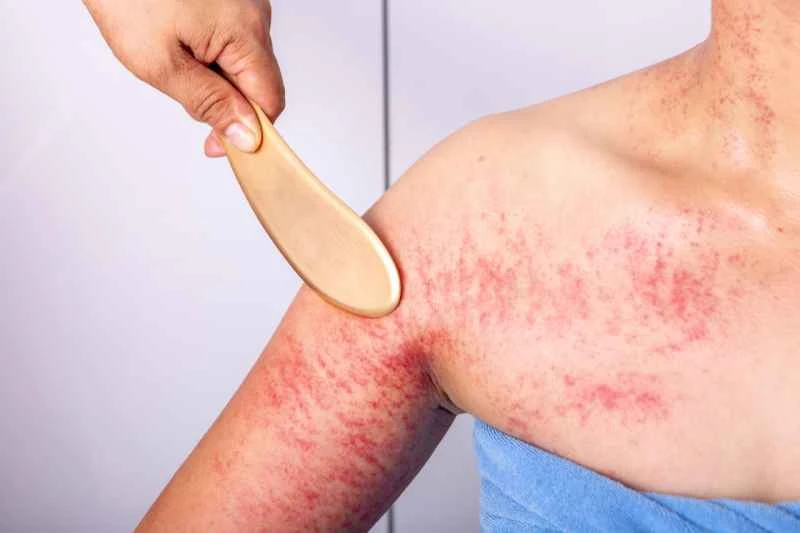
1. Commonly used medication types: Doctors often prescribe antihistamines, which help relieve itching and wheals; if symptoms are severe, other types of medications may be used for a short period to control inflammation, but it is necessary to strictly follow the doctor's instructions.
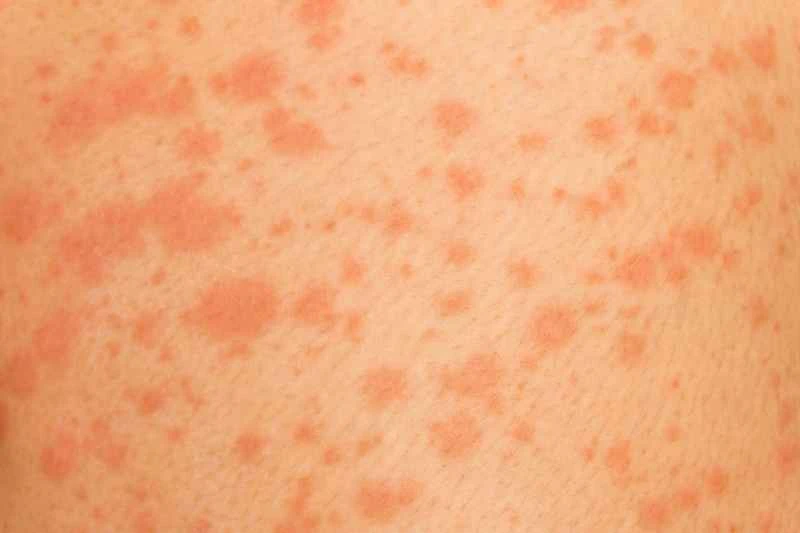
2. Precautions during treatment: During medication, observe the body's reaction and avoid contact with factors that may trigger urticaria, such as certain foods or environmental irritants; if new discomfort occurs, communicate with the doctor in a timely manner to adjust the treatment plan.
3. Supportive care methods: Keep skin clean, wear loose cotton clothing to reduce friction; keep a record of daily diet and activities to help identify and avoid triggers.
In general, treating urticaria requires patience and meticulous care. Please be sure to choose medications under the guidance of a professional doctor, and at the same time, pay attention to adjusting your lifestyle habits to gradually find a management method that suits you.