Small bumps on the sides of the nose can be caused by skin problems such as hyperkeratosis, folliculitis, acne, or allergic dermatitis. It is recommended that patients avoid squeezing them, keep the skin clean, and seek medical attention promptly based on their symptoms to receive appropriate treatment.
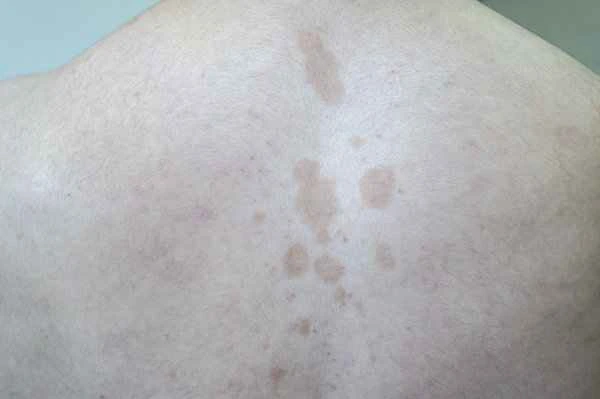
1. Hyperkeratosis of the skin
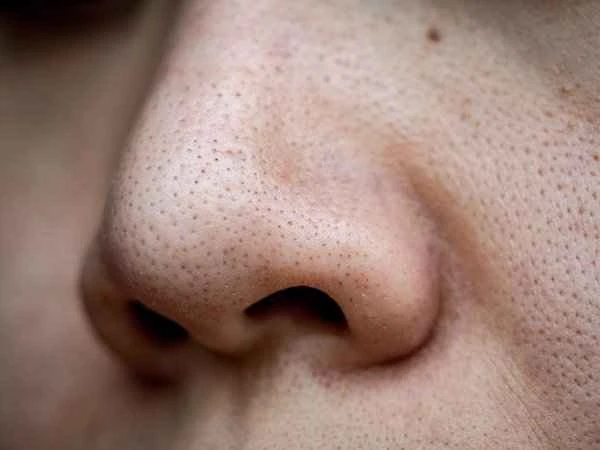
Hyperkeratosis refers to an abnormal proliferation and differentiation of epidermal cells, resulting in an excessively thick stratum corneum. This can be caused by genetic or environmental factors. It can lead to clogged pores, forming small bumps. Treatment can involve topical medications containing ingredients such as urea and salicylic acid, like tretinoin cream, to promote normal stratum corneum metabolism.
2. Folliculitis
Folliculitis is an inflammatory reaction of the hair follicles and surrounding tissues, usually caused by bacterial infection. When the hair follicles on the sides of the nose become infected, small, red, swollen, and painful bumps may appear. Topical application of antibiotic ointments, such as mupirocin ointment, as prescribed by a doctor can help control the infection and relieve symptoms.
3. Acne
Acne is a common skin condition that primarily affects teenagers but can also impact adults. Its occurrence is linked to factors such as elevated androgen levels and increased sebum production, which can clog pores and lead to the formation of small bumps. Mild acne can be improved by maintaining facial cleanliness and avoiding oily foods, while severe cases may require treatment with medications such as isotretinoin capsules or adapalene gel as prescribed by a doctor.
4. Allergic dermatitis
Allergic dermatitis is an inflammatory skin reaction caused by contact with certain substances, commonly seen in people sensitive to cosmetics, detergents, or other irritants. This inflammatory reaction can cause symptoms such as redness, itching, and small bumps on the skin. Patients should avoid contact with known allergens and take antihistamines, such as cetirizine tablets, as advised by their doctor to relieve symptoms.
In daily life, it's important to maintain good personal hygiene, clean your face regularly, and avoid squeezing small bumps to prevent worsening the inflammation. If symptoms persist or worsen, seek medical attention promptly for targeted treatment. A dermatological examination, including dermoscopy and blood tests, is recommended to determine the exact diagnosis and treatment plan.