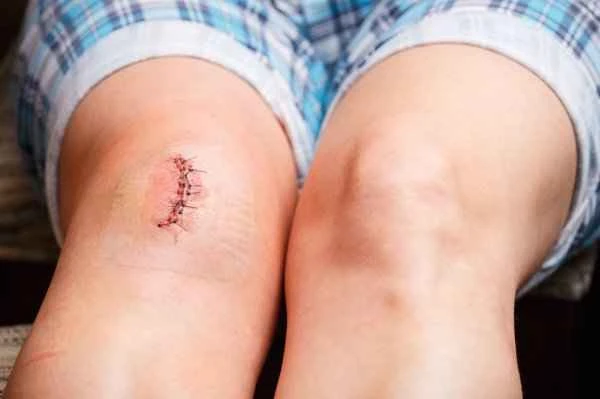
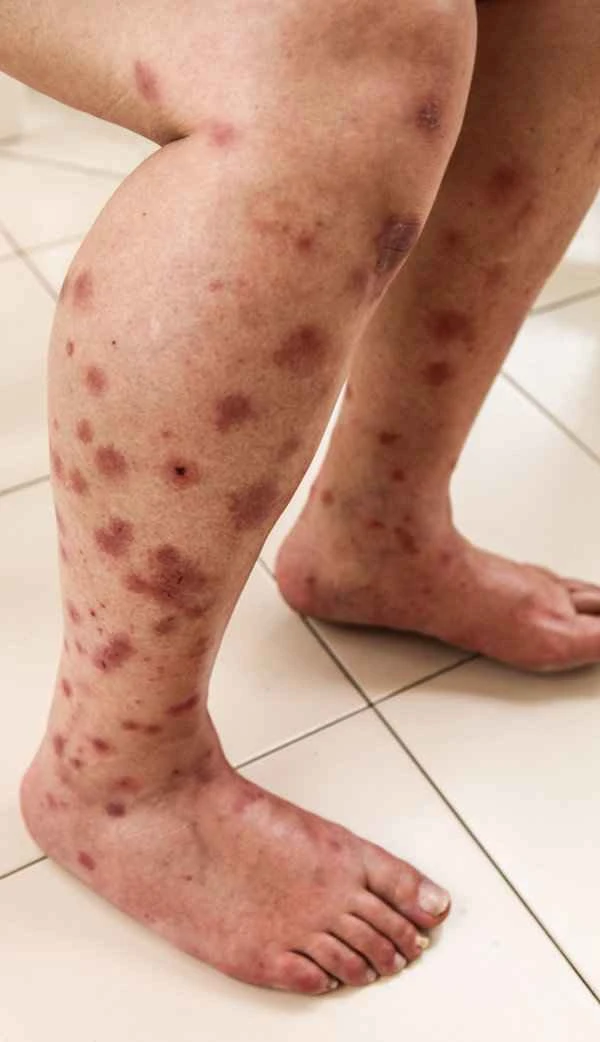
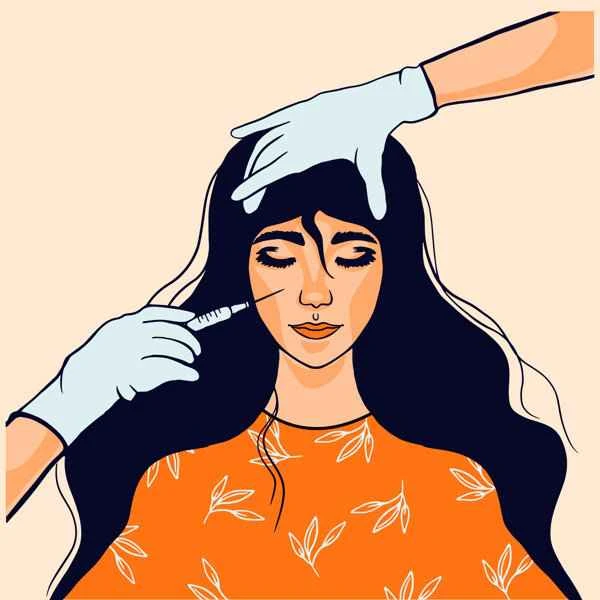
Darkening of the skin after scar injection is due to increased pigmentation at the injection site. Sometimes, local skin darkening occurs after scar injection treatment. This can be caused by various factors, including the composition of the injected medication, the injection technique, individual differences, and post-injection care.
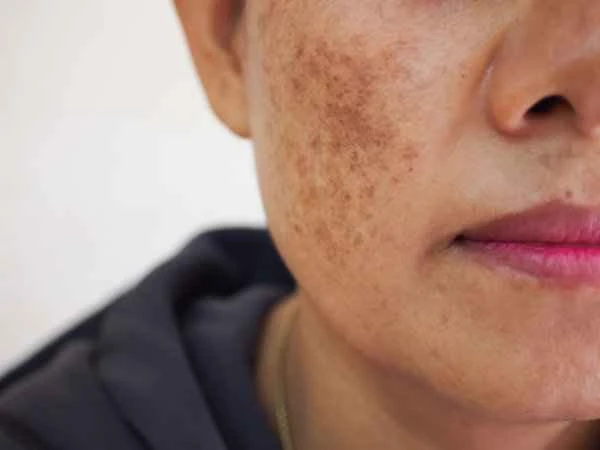
When faced with skin darkening after scar injections, it's crucial to understand that this darkening is not a direct result of the injection treatment but rather a skin reaction. Treatment strategies typically include medication, physical therapy, and lifestyle modifications. Medication may involve the use of whitening agents, antioxidants, or corticosteroids, which can improve darkening by inhibiting melanin production or reducing inflammation. Physical therapy may include laser treatments or IPL (Intense Pulsed Light) therapy, which promote pigment fading by improving blood circulation and metabolism in the skin. Patients should also avoid direct sunlight, as ultraviolet radiation can worsen skin pigmentation. Maintaining good skincare habits, such as regular cleansing and moisturizing, will also help improve skin condition.
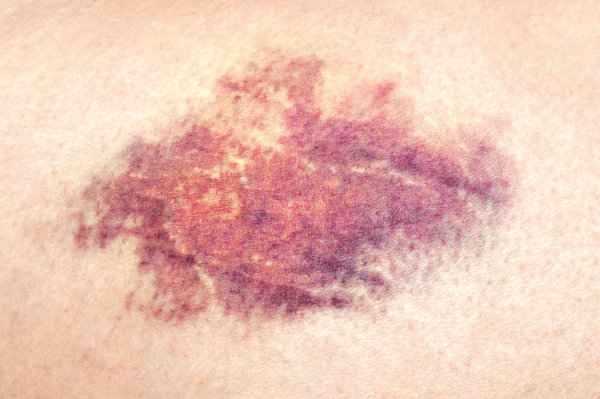
In the process of treating skin darkening after scar injections, patients may encounter some misconceptions, such as believing that all cases of skin darkening can be resolved with the same treatment method, or relying too much on a single treatment method while neglecting the importance of comprehensive treatment. In reality, the causes of skin darkening are diverse, and treatment plans should be customized according to individual circumstances. Patients should maintain close communication with their doctors during treatment and have regular follow-up appointments to allow for timely adjustments to the treatment plan and achieve the best therapeutic effect.
[Management Tip:]
1. Apply whitening agents or antioxidants topically to reduce pigmentation.
2. Avoid prolonged exposure to sunlight and use sunscreen to protect your skin.
3. Regular follow-up visits are necessary to adjust the treatment plan based on skin reactions.
4. Maintain good skin care habits, such as cleansing and moisturizing.