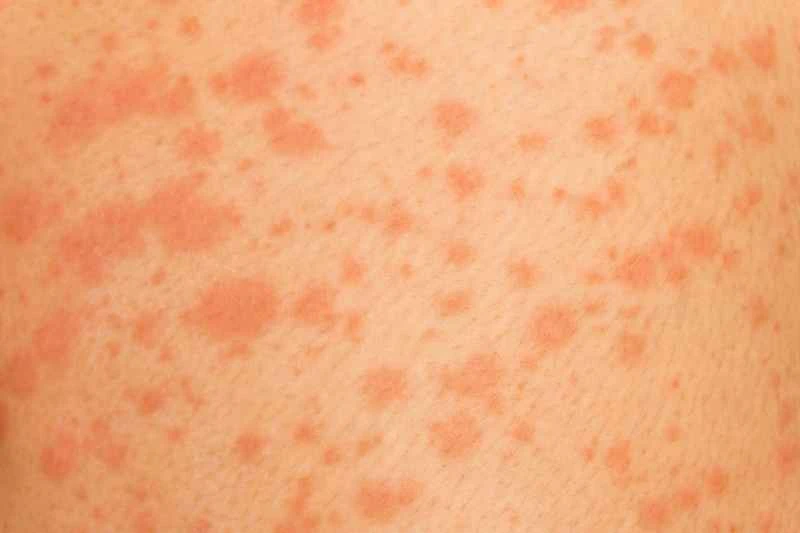
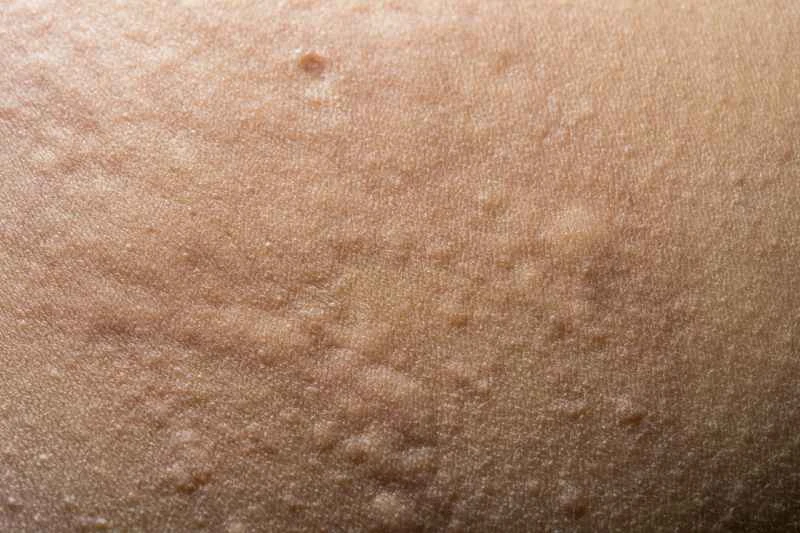
Keloids are abnormally proliferating scars that extend beyond the original wound area after skin injury and have a hard texture.
Understanding keloids is important because they not only affect appearance but can also cause discomfort such as pain and itching, and even affect joint mobility. Early identification allows for timely intervention to reduce discomfort and functional impairment.
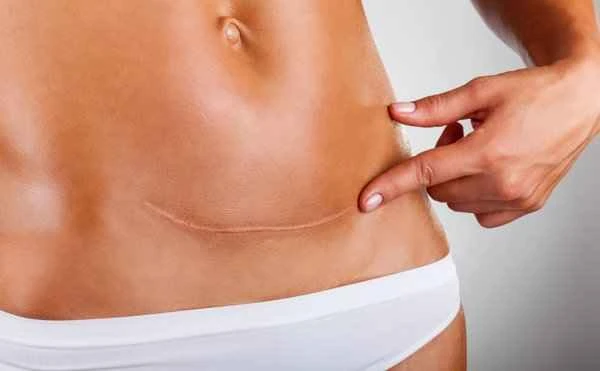
Keloids typically appear as scars that extend beyond the original wound after healing. They may be darker or reddish in color, firm in texture, and have a smooth surface. Sometimes, they are accompanied by pain or itching. Identifying keloids requires a combination of an individual's wound healing experience and a doctor's professional assessment. A doctor may determine if it is a keloid by observing the scar's shape, texture, and accompanying symptoms. Sometimes, the doctor may also recommend imaging studies, such as ultrasound or MRI, to further confirm the diagnosis.
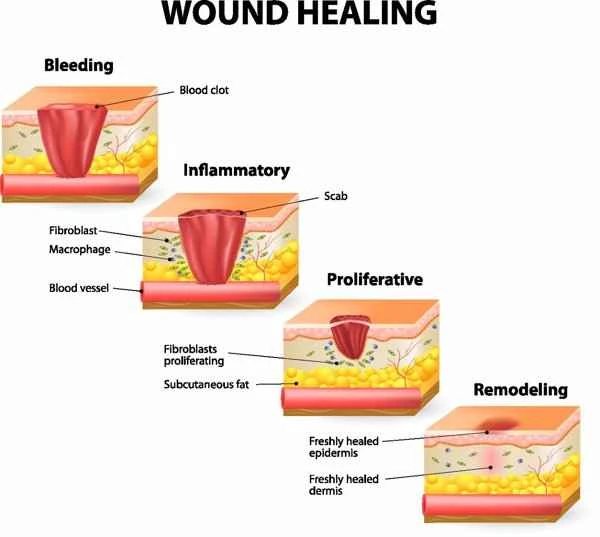
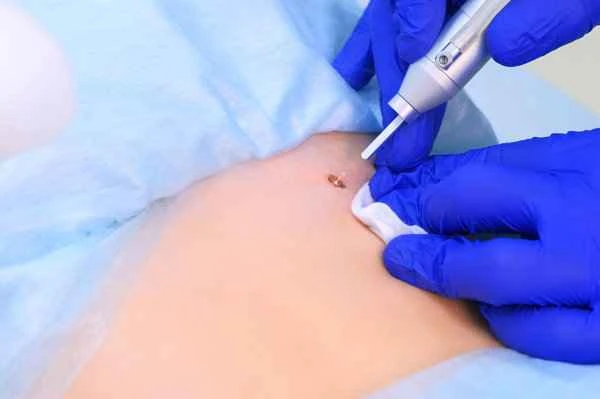
Once a keloid is diagnosed, patients should follow their doctor's advice and undergo appropriate treatment. Treatment options may include medication, laser therapy, and surgical excision. Patients should have a realistic view of treatment outcomes; some keloids may be difficult to completely eliminate, and regular follow-up examinations are necessary after treatment to monitor changes in the scar. Furthermore, patients should avoid self-treatment or using any treatments not recommended by a doctor, as this may worsen the condition.
【Useful Tips:】
1. Carefully observe the shape of the scar after the wound has healed. If the scar extends beyond the original wound area, is hard in texture, or has an abnormal color, seek medical attention promptly.
2. Under the guidance of a doctor, choose an appropriate treatment method, such as medication, laser therapy, or surgical removal.
3. Regular follow-up examinations are necessary after treatment to monitor changes in the scar and avoid self-treatment or using treatments not recommended by a doctor.
4. Maintain good lifestyle habits and avoid over-stimulating the scar area, such as strenuous exercise or friction.