Facial seborrheic dermatitis is a common skin condition. The key to controlling oiliness lies in regulating the skin's sebum secretion to reduce inflammation and excessive sebum.
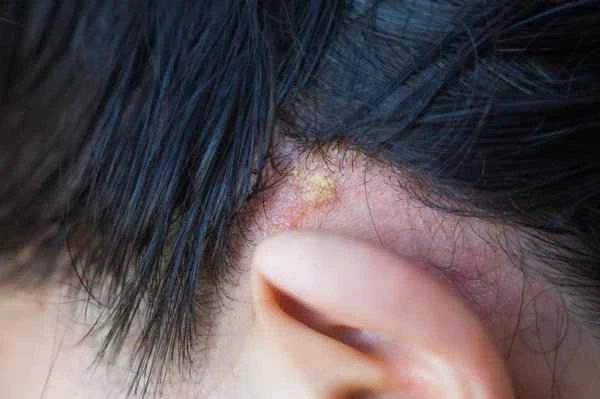
The key to controlling oily skin lies in regulating sebum secretion, which involves a comprehensive approach. Using topical medications containing ingredients like salicylic acid or phenoxyethanol can help remove excess oil and reduce the number of bacteria on the skin's surface, thus alleviating inflammation. Using gentle cleansing products and avoiding overly harsh cleansers can minimize damage to the skin barrier and maintain healthy skin. Maintaining healthy lifestyle habits, such as avoiding excessive consumption of high-sugar and high-fat foods, and ensuring sufficient sleep and moderate exercise, all help regulate hormone levels, indirectly affecting sebum secretion.
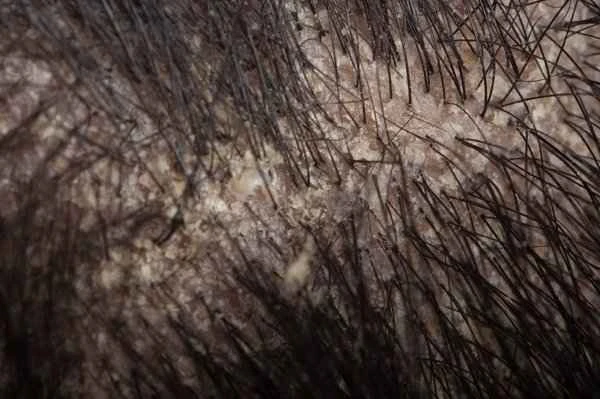
When treating facial seborrheic dermatitis, it's important to avoid some common misconceptions. Over-cleansing can damage the skin's natural protective layer, impairing its barrier function and actually exacerbating sebum secretion. While medication is necessary, over-reliance on drugs while neglecting lifestyle adjustments may lead to poor treatment outcomes. Finally, patience is crucial during treatment, as seborrheic dermatitis typically requires time to see noticeable results; a complete cure cannot be expected in a short period.
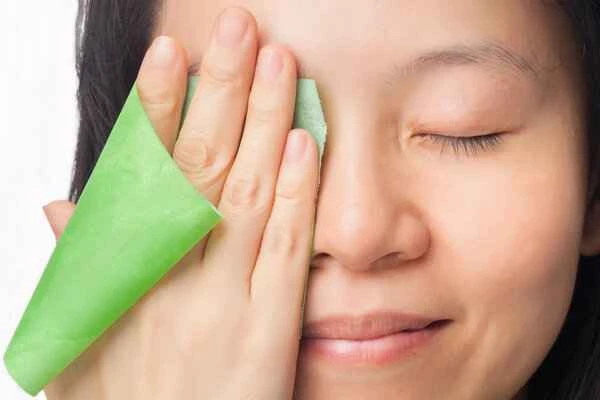
[Management Tip:]
1. Use topical medications containing ingredients such as salicylic acid or phenoxyethanol.
2. Maintain good lifestyle habits and avoid high-sugar and high-fat foods.
3. Monitor skin condition regularly and adjust treatment plans accordingly.