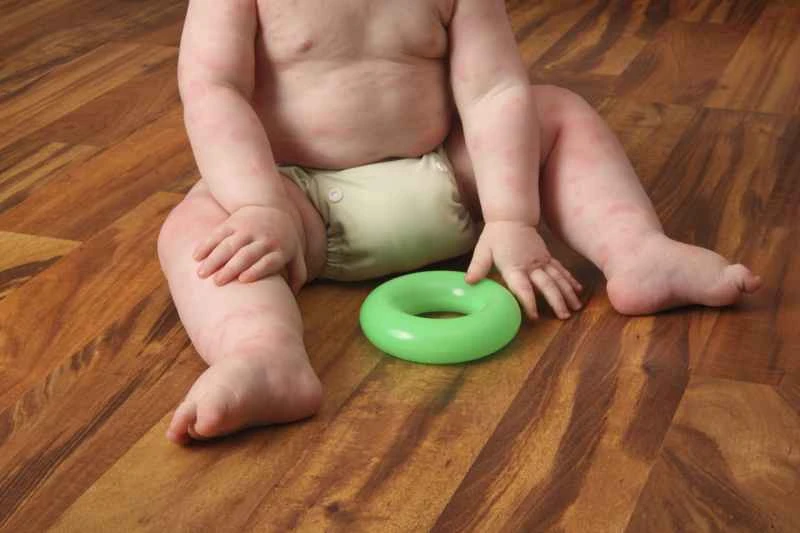
Allergic urticaria may resolve on its own without treatment, but the recovery process varies from person to person, so it is recommended to seek medical evaluation promptly. It generally falls into two categories:
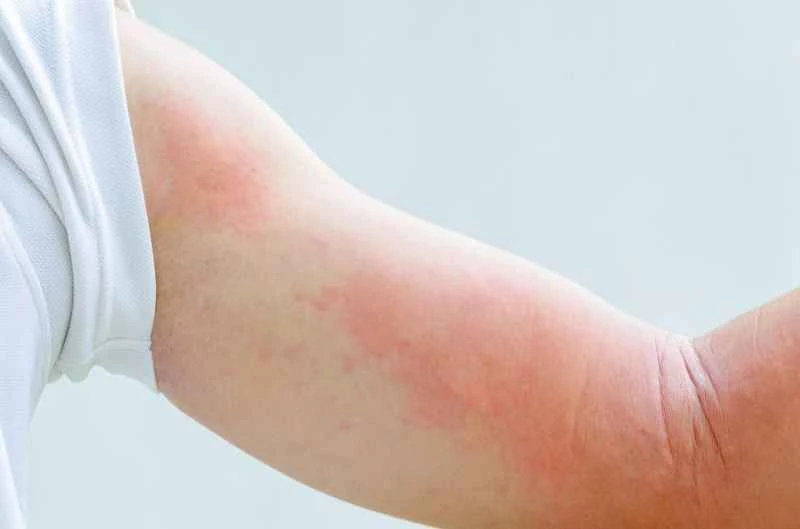
1. **Acute urticaria:** Most cases are triggered by short-term factors such as food or medication, and symptoms may subside on their own within hours or days. However, if accompanied by severe reactions such as difficulty breathing, immediate medical attention is required.
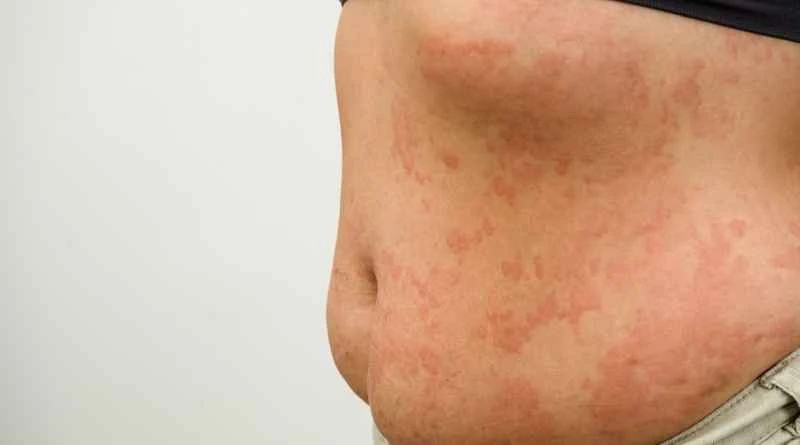
2. **Chronic urticaria:** Symptoms recur for more than 6 weeks, and the likelihood of spontaneous remission is low. Long-term neglect may disrupt daily life and even trigger emotional problems such as anxiety.
Some patients mistakenly believe that "it will get better if I just bear with it," but the causes of urticaria are complex and may be related to various factors such as the environment and the immune system. Delaying treatment may not only prolong the course of the disease but also cause them to miss the opportunity to investigate potential causes.
It is recommended to record the pattern of flare-ups (such as diet and contact with contaminated objects) after symptoms appear, and avoid scratching the skin to prevent infection. If symptoms are mild and do not recur in a short period of time, observation and rest are sufficient; if flare-ups are recurrent or accompanied by severe discomfort, you should consult a dermatologist in a timely manner for a professional diagnosis and appropriate treatment plan.