No. Hives are not a specific precursor to HIV; they are more commonly seen in allergies, infections, or common skin conditions. If you develop a rash, it is recommended to first rule out common causes and observe whether any other symptoms are present.
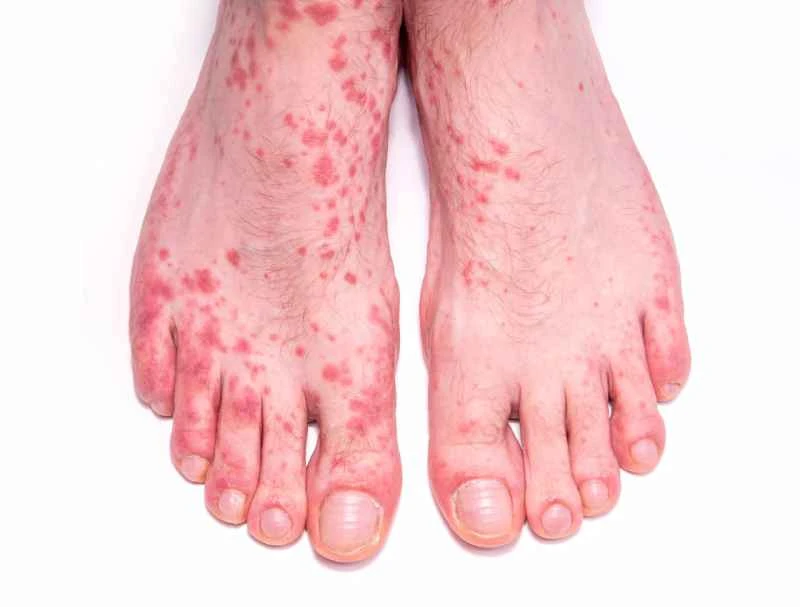
Specifically, the following analysis can be performed:
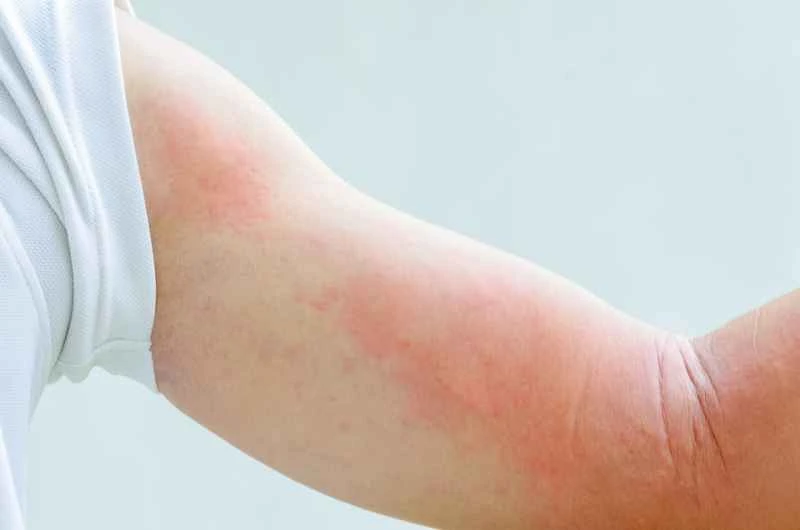
1. **Common Related Factors**: Urticaria is often caused by food or drug allergies or physical irritation. In the early stages of HIV infection, a rash may appear, but it is usually accompanied by persistent fever, swollen lymph nodes, and other symptoms. It cannot be diagnosed based on the rash alone.
2. **Medical Diagnostic Logic:** HIV requires a blood test for diagnosis; skin symptoms are only one possible indicator. If you have recently engaged in high-risk behavior and experience multiple abnormal symptoms, you should seek medical attention promptly for examination, rather than making assumptions.
3. **Symptom differences**: Common urticaria often recurs and subsides within hours; HIV-related rashes may be more persistent and are often accompanied by other systemic symptoms, and the two differ in characteristics.
It is recommended to remain calm and avoid excessive panic. If the rash recurs or is accompanied by symptoms such as prolonged fever and fatigue, please visit a dermatologist or infectious disease specialist for a diagnosis to determine if further examination is necessary. Keeping a record of the rash's pattern can help the doctor make a diagnosis.