It's not always necessary to take medication indefinitely, but the treatment plan should be adjusted under the guidance of a doctor. Relapses of urticaria after stopping medication are often due to incomplete eradication of the underlying cause or the body remaining in a sensitive state. It is recommended to gradually reduce dependence through standardized treatment, while simultaneously managing lifestyle to lower the risk of relapse.
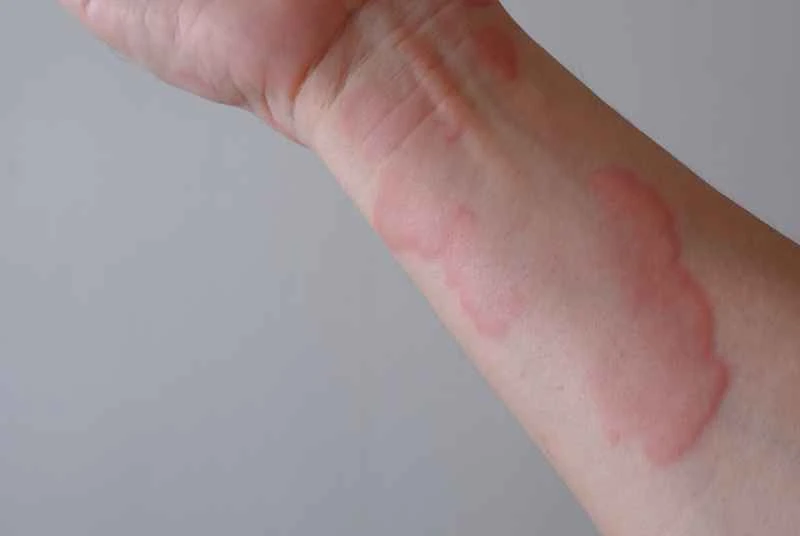
1. **Analyze the causes of recurrence**
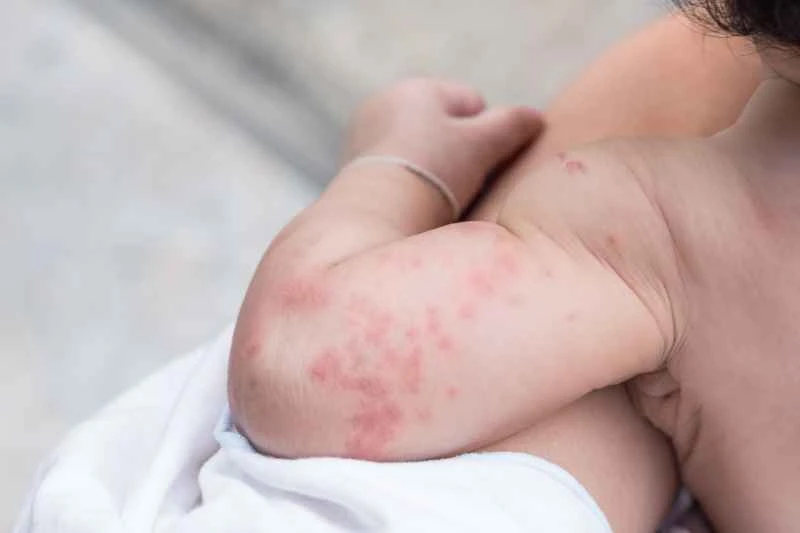
If the allergen persists (such as food, dust mites, etc.), or if the immune system has not fully recovered, symptoms are prone to recurrence. Stopping medication on your own may cause the inflammatory response to reactivate.
2. **Adjust medication in stages**
Doctors typically reduce the dosage or extend the dosing interval based on symptom control. For example, they might switch from daily medication to every other day, observe the response, and then decide on the next course of action.
3. **Strengthen daily protection**
Avoid known allergens, wear loose-fitting cotton clothing to reduce skin irritation. Keeping a record of dietary and environmental changes can help identify triggers.
4. **Try supplementary treatments**
With a doctor's permission, gentle moisturizing care and moderate exercise can be used to improve physical condition, but care should be taken to avoid using folk remedies as a substitute for regular treatment.
Final advice: Do not stop medication on your own or abuse medication long-term. Have regular follow-up appointments, discuss relapses with your doctor, and work together to develop a personalized management plan. Through gradual treatment and proactive prevention, the frequency of medication use can be gradually reduced for most people.