Yes, urticaria itself usually does not directly cause delayed menstruation. The menstrual cycle is mainly affected by factors such as endocrine function, emotions, and stress, and urticaria, as a skin allergic reaction, generally does not interfere with the normal functioning of the reproductive system. However, if symptoms are severe or improperly treated, it may indirectly affect menstrual regularity. It is recommended to pay attention to your overall health and seek medical attention promptly for examination.
This can be understood from the following aspects:
1. **Different core reasons**
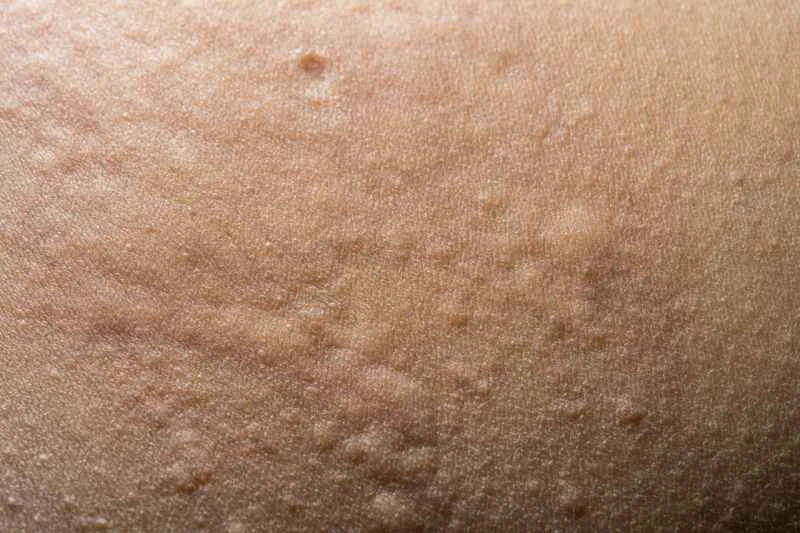
Delayed menstruation is often associated with hormonal changes, stress, excessive fatigue, or gynecological problems. Urticaria, on the other hand, is a localized edema reaction caused by the dilation and increased permeability of small blood vessels in the skin and mucous membranes; the two conditions are not directly related in their mechanisms.
2. **Potential Indirect Impacts**
If a hives flare-up is severe, the persistent itching and discomfort can cause sleep deprivation, anxiety, or decreased appetite. These physical and emotional stresses can disrupt the endocrine system, thus having a slight impact on the menstrual cycle. Additionally, some medications (such as certain antihistamines or hormones) may also temporarily affect the cycle, although this is less common.
3. **Coexistence Situations Requiring Attention**
If urticaria coexists with autoimmune diseases or other chronic illnesses, these underlying conditions may themselves cause endocrine disorders, which can manifest as menstrual irregularities. In this case, delayed menstruation is more likely related to the underlying disease than to urticaria alone.
To maintain good health, it is recommended to keep a record of your menstrual cycle and hives flare-ups. If your period is delayed or irregular for a long period, you should consult a gynecologist promptly. At the same time, to control hives symptoms, avoid excessive scratching, maintain a regular sleep schedule, and reduce physical and mental stress, which will help maintain endocrine stability.