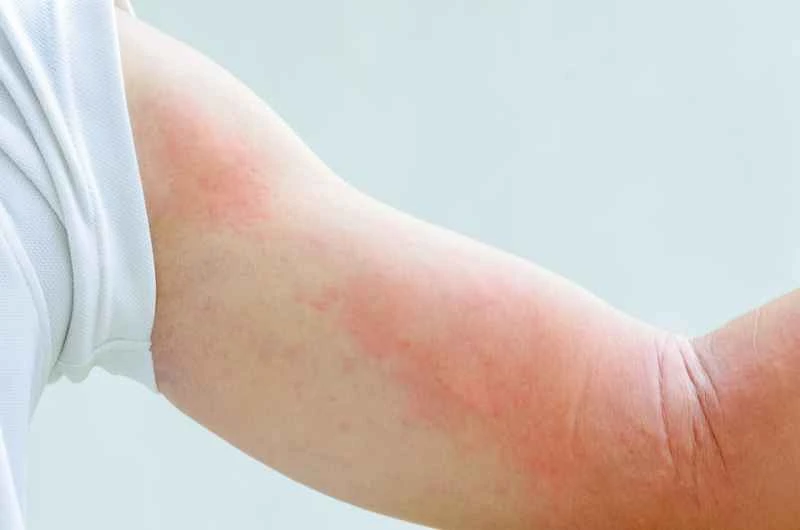
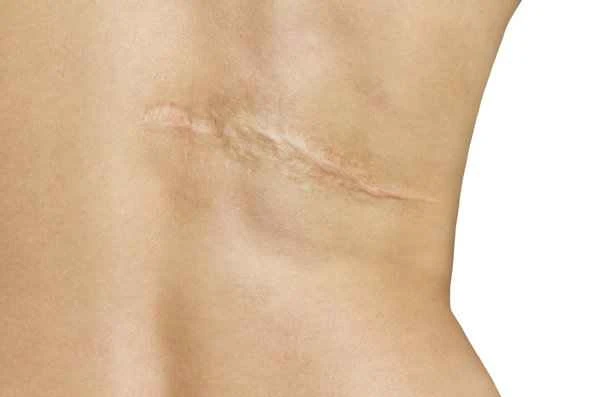
To help hives heal faster, the key is to relieve symptoms promptly and prevent recurrence. It is recommended to immediately avoid suspected triggers and take appropriate care measures as needed.
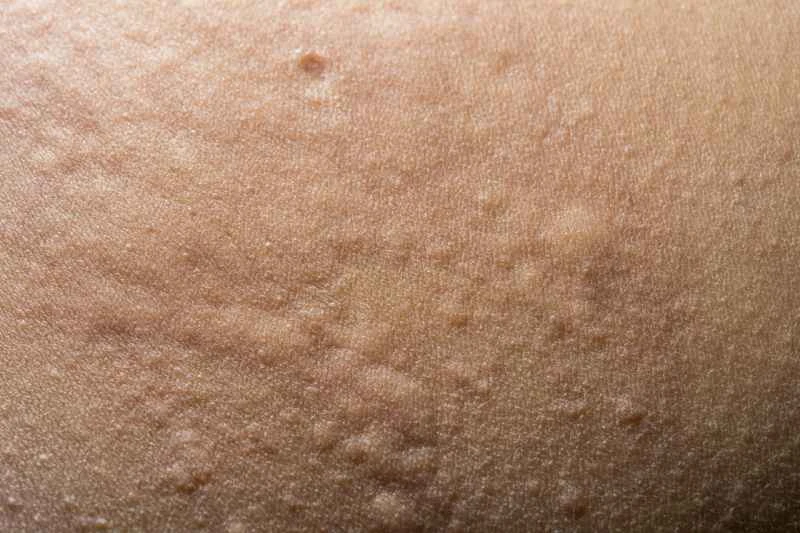
1. **Immediately stop contact with suspected triggers:** If the rash is found to be related to certain foods, medications, environmental factors, or physical stimuli (such as scratching or tight clothing), avoid them as soon as possible. Making a temporary note of activities prior to the onset can help identify the trigger.
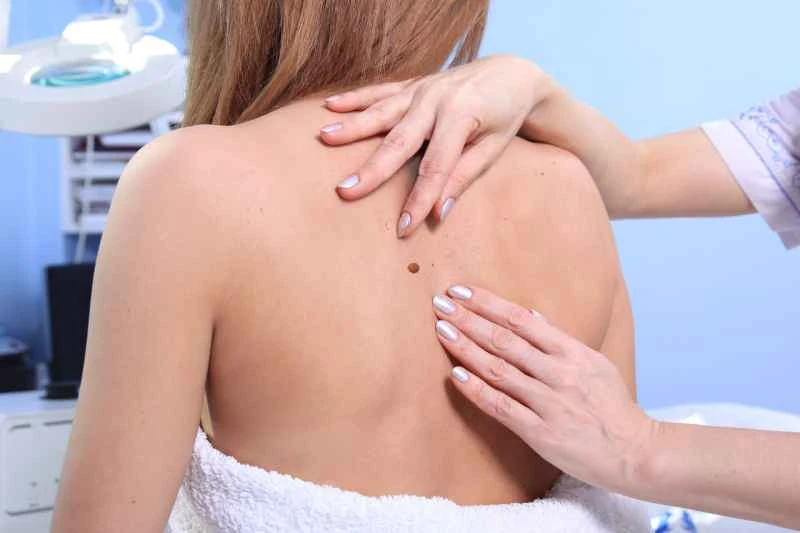
2. **Proper Use of Medication for Relief:** Under the guidance of a doctor, using antihistamines (such as loratadine) can effectively reduce itching and wheals. Do not abuse medication or arbitrarily increase or decrease the dosage.
3. **Provide gentle local care:** Apply a cool compress to the itchy area with a cool towel to temporarily constrict blood vessels and reduce redness and itching. Avoid washing with hot water and rubbing the skin vigorously.
4. **Maintain a stable and relaxed state:** Emotional tension and stress can sometimes worsen symptoms. Try resting and engaging in relaxation activities such as deep breathing, which can help the body recover.
If the rash is widespread and accompanied by difficulty breathing, swelling of the eyelids or lips, seek medical attention immediately. Wearing loose-fitting cotton clothing, using mild toiletries, and maintaining a clean living environment to reduce exposure to common allergens such as dust mites and pollen can help lower the likelihood of recurrence.