A hard lump on the buttocks could be caused by folliculitis, boils, sebaceous cysts, lipomas, fibromas, or other conditions. It is recommended that patients seek medical attention promptly. Doctors may recommend treatments such as incision and drainage, laser therapy, or surgical removal.
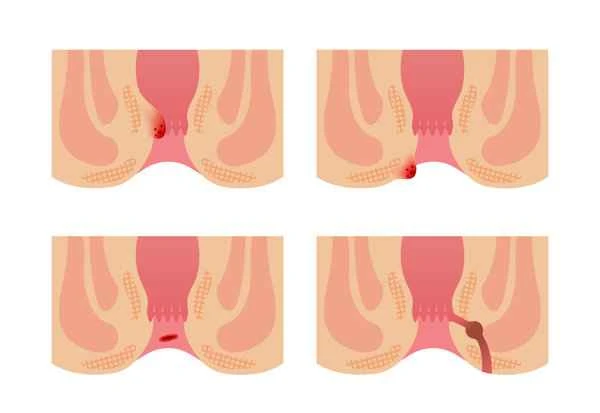
1. Folliculitis
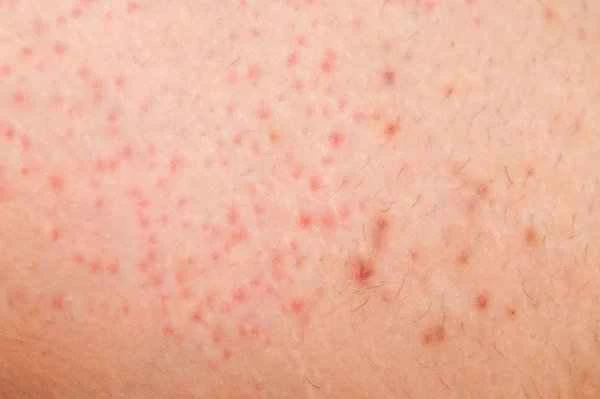
Folliculitis is an inflammatory reaction caused by bacterial infection of the hair follicles. When the inflammation spreads to the dermis, it may form a hard lump. Patients may experience symptoms such as redness, swelling, and pain. Topical application of antibiotic ointments such as mupirocin ointment can effectively control the infection and relieve symptoms.
2. Boils
A boil is an acute purulent infection caused by pathogenic bacteria such as Staphylococcus aureus invading the deep tissues of the hair follicle and surrounding tissues. It can lead to a red, swollen, and painful hard lump. For a single boil, doctors usually recommend local warm compresses and topical antibiotic ointments such as fusidic acid cream.
3. Sebaceous cysts
Sebaceous cysts are benign tumors that form due to sebum retention caused by blockage of the sebaceous gland duct. They are firm in texture, mobile, and sometimes slightly tender to the touch. If the cyst is small and asymptomatic, no special treatment is usually required; if the cyst is large or affects daily life, it can be treated by surgical removal.
4. Lipoma
Lipomas are common benign soft tissue tumors composed of mature fat cells. They grow slowly and typically present as soft, movable, round masses. Small lipomas that do not affect function usually do not require treatment; however, if the tumor enlarges or causes discomfort, surgical removal should be considered.
5. Fibromas
Fibromas are benign tumors originating from mesenchymal tissue, primarily composed of fibroblasts. They can appear anywhere on the body, including the buttocks, and present as firm, movable nodules. Fibromas smaller than 5 cm in diameter are usually treated with local excision; larger fibromas require a more extensive surgical procedure.
For a hard lump on the buttocks, it is recommended to avoid squeezing or scratching it to prevent worsening of infection or damage. At the same time, keep the area clean and dry, and wear loose, breathable clothing to reduce friction and irritation. Regularly observe changes in the lump; if it enlarges, changes color, or ulcerates, seek medical attention promptly. If necessary, an ultrasound examination or biopsy can be performed to determine the nature of the lesion.