Urticaria may resolve on its own, but the recovery process varies from person to person. It is recommended to closely monitor changes in symptoms and take appropriate care. The following points explain common situations:
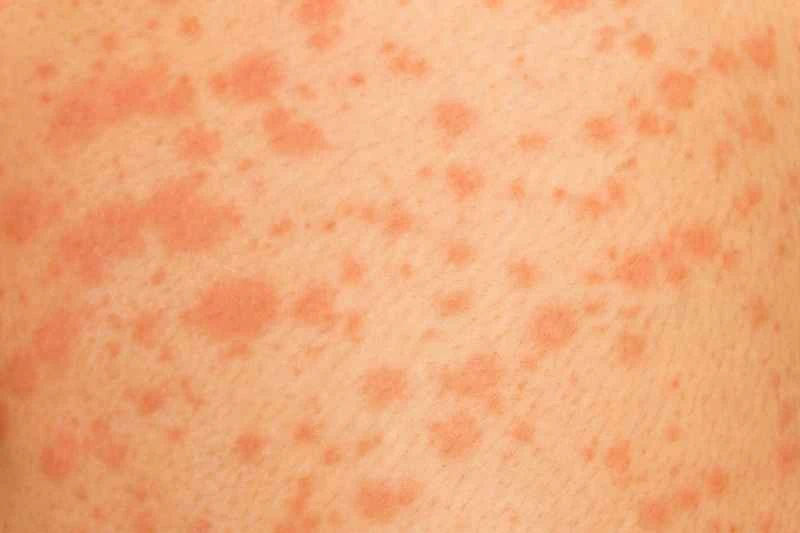
1. **Acute attacks may resolve spontaneously.**
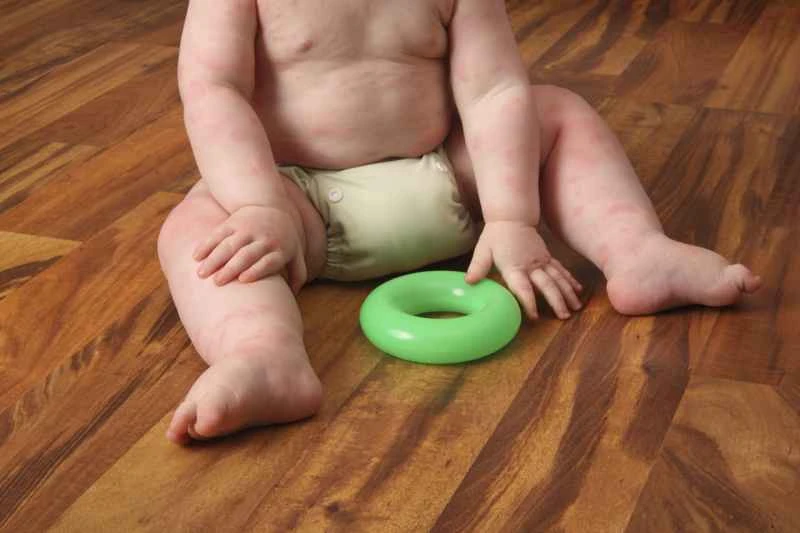
If the rash is caused by short-term factors such as food or pollen, it usually disappears on its own within a few hours or days, and may not recur after the body adjusts.
2. **Chronic conditions require continuous monitoring.**
When recurring episodes last for more than six weeks, it may be related to factors such as physical condition and environment. The probability of spontaneous recovery is low, and the condition is prone to fluctuating severity and prolonged.
3. **Eliminating the triggering factors helps in recovery.**
If you can identify and avoid allergens (such as pet dander or certain medications) and reduce irritation, the likelihood of your symptoms improving naturally will increase.
4. **Individual differences affect the recovery process**
Different people have different immune statuses; some people experience a brief onset and then it stops, while others need a longer period of remission.
If a rash appears, it is recommended to record the pattern of the flare-up and avoid scratching and washing with hot water. If the rash recurs or is accompanied by difficulty breathing, you should seek medical attention promptly for examination and improve your discomfort through gentle care and professional guidance.