Treatment for urticaria usually requires medication based on the specific situation. It is recommended to choose antihistamines, hormone medications, or other adjunctive medications under the guidance of a doctor. The following is a brief explanation of common medication use:

1. **Commonly used antihistamines:** such as loratadine and cetirizine. These medications can relieve itching and wheals and are suitable for mild to moderate symptoms. They should be used according to the instructions or doctor's prescription.
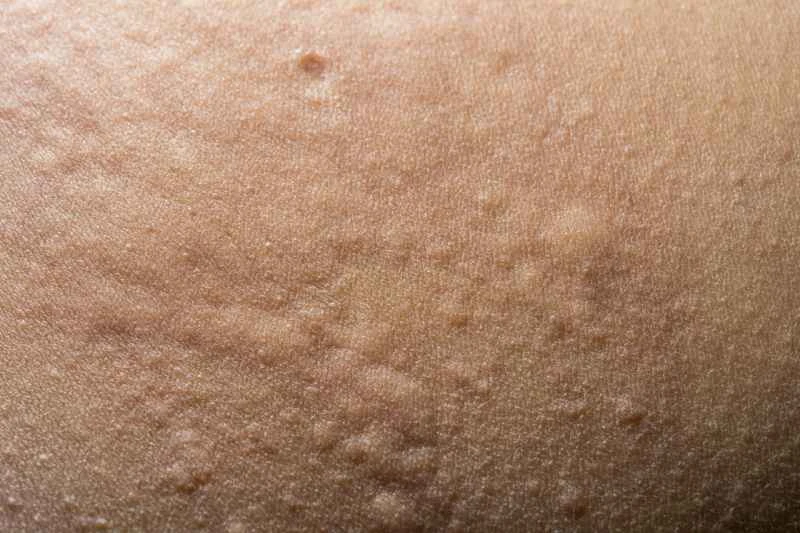
2. **Short-term hormone medications:** For severe symptoms or acute attacks, doctors may prescribe medications such as prednisone, but the dosage and duration must be strictly controlled to avoid self-abuse.
3. **Adjunctive treatment medications:** If other symptoms are present, such as infection or allergic reactions, the doctor may prescribe other medications as needed, such as anti-infectives or immunomodulators.
In addition, daily care is also important: avoid known allergens, such as food and pollen; wear loose-fitting cotton clothing to reduce skin irritation; and maintain a regular sleep schedule, which can help relieve symptoms. If symptoms do not improve after medication or recur, please seek medical attention promptly to adjust the treatment plan.