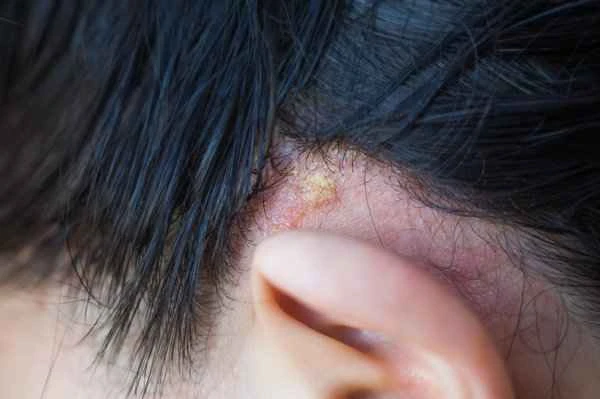
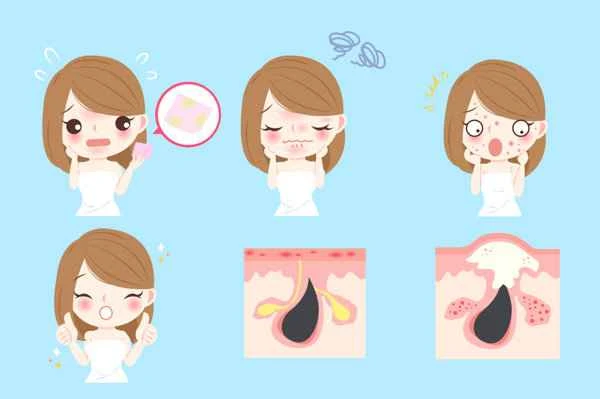
The choice of medication for eczema depends on the specific condition. While medications can usually effectively control symptoms, a complete cure is difficult to achieve. It is recommended to manage eczema comprehensively under the guidance of a doctor, combined with daily care.
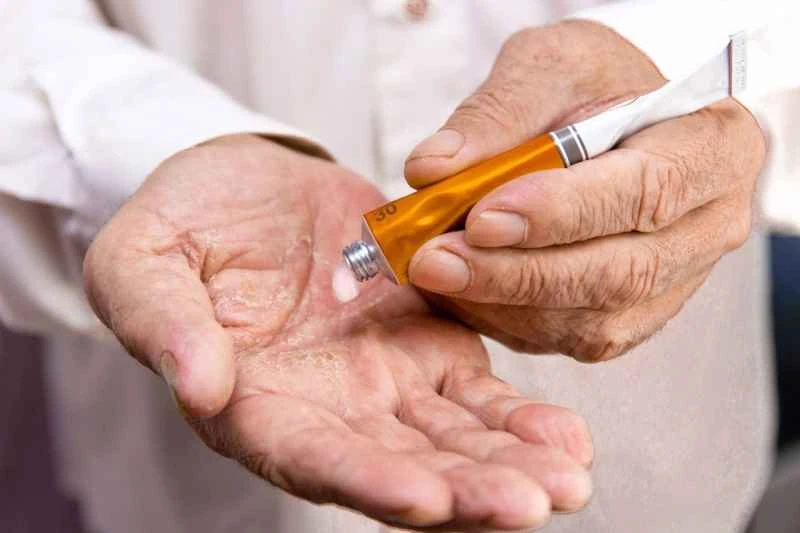
1. Commonly Used Drug Types
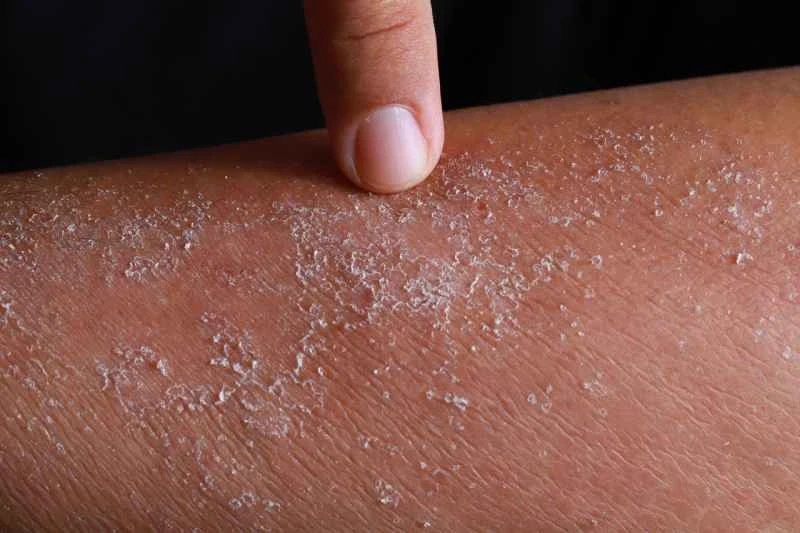
Topical ointments are the basic choice; for example, ointments containing hormones can quickly reduce redness and itching. Non-hormonal ointments are suitable for long-term maintenance and are less irritating. If symptoms are severe, the doctor may prescribe oral antihistamines to relieve discomfort.
2. Key points of treatment
Eczema is prone to recurrence, so the focus of treatment is on controlling flare-ups and reducing relapses. Keeping the skin moisturized is important; applying moisturizer after bathing helps repair the skin barrier. At the same time, try to avoid contact with substances that may trigger allergies, such as certain cosmetics and dust.
3. Cooperation in daily management
Keeping a record of your diet and lifestyle habits can help identify triggers. Wearing loose-fitting cotton clothing and using gentle cleansing products can reduce skin irritation. If symptoms persist or worsen, you should promptly consult a doctor to adjust your treatment plan.
Overall, eczema treatment requires patience. With proper medication and careful care, most people can achieve good symptom control and significantly improve their quality of life.