Artificial urticaria can usually be effectively controlled, but a complete cure may be difficult. It is recommended to seek medical attention promptly and alleviate symptoms through standardized treatment and daily care.
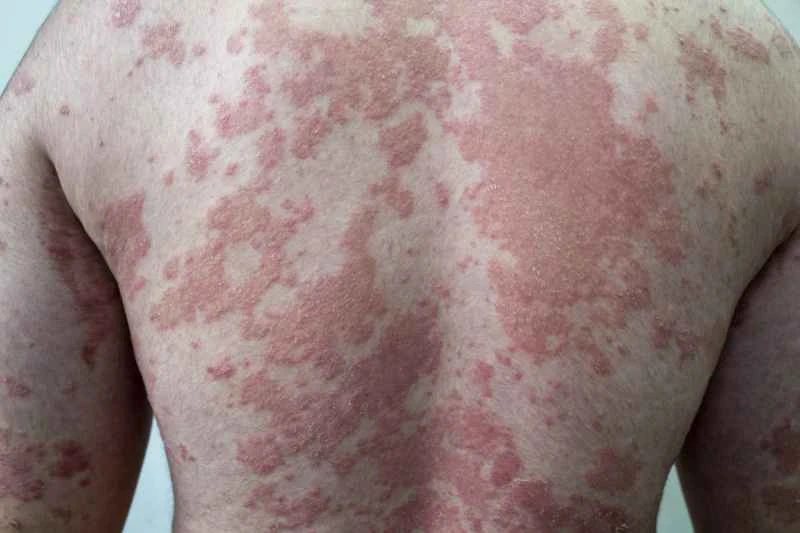
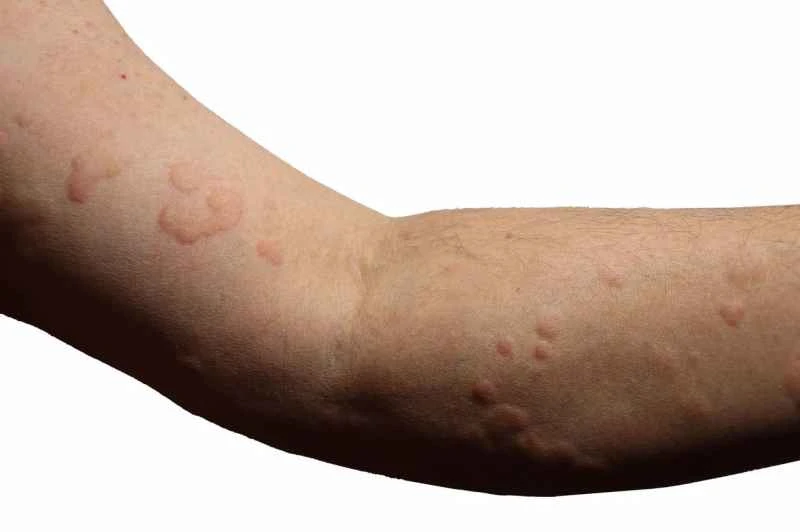
1. **Symptom characteristics:** This type of urticaria usually appears after the skin is scratched, rubbed, or subjected to pressure. It manifests as raised red scratches accompanied by itching, but most of them will subside on their own within tens of minutes to several hours.
2. **Treatment Direction:** The core goal of treatment is to control symptoms and reduce flare-ups. Doctors often prescribe antihistamines to relieve itching and hives. For those with mild symptoms, medication may only be needed as needed during flare-ups; however, if flare-ups are recurrent, regular medication over a period of time may be required to stabilize the condition.
3. **Key to Daily Management**: Self-management in daily life is crucial. Avoid physical irritation such as scratching and friction from tight clothing. Bath water should not be too hot, and choose mild bath products. At the same time, keep a record of and avoid potential triggering factors, maintain a regular sleep schedule and a peaceful state of mind, which will help reduce relapse rates.
Overall, although it may be a long-term condition, by actively communicating with a doctor, developing a personalized treatment plan, and consistently maintaining good skin care and lifestyle adjustments, the symptoms of most people can be well controlled, significantly improving their quality of life. Do not self-medicate; always consult a professional physician.