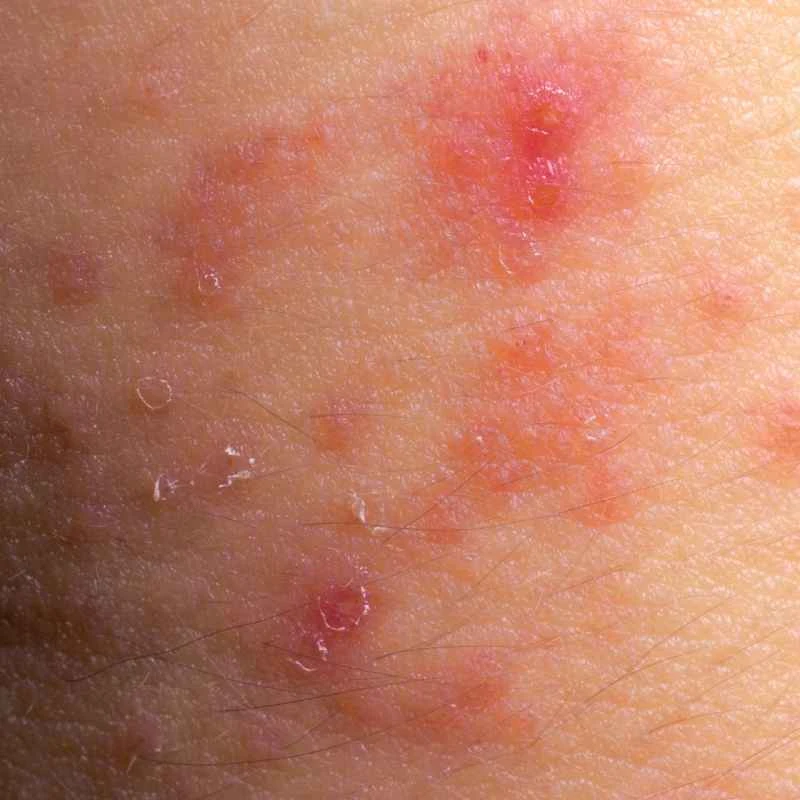
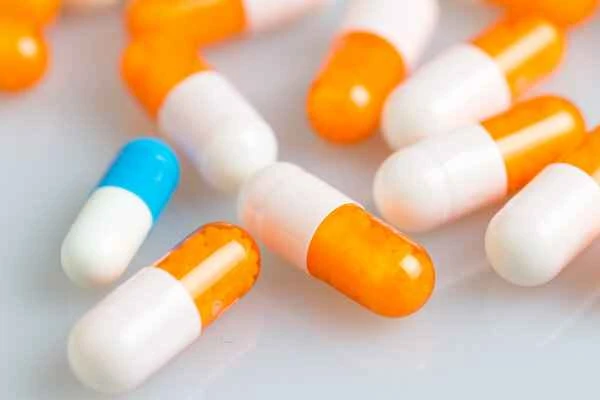
The treatment of electrical stimulation scars primarily involves reducing inflammation in the scar tissue and promoting skin healing. The key to managing electrical stimulation scars lies in early intervention and comprehensive treatment, including medication, physical therapy, and surgical intervention when necessary.
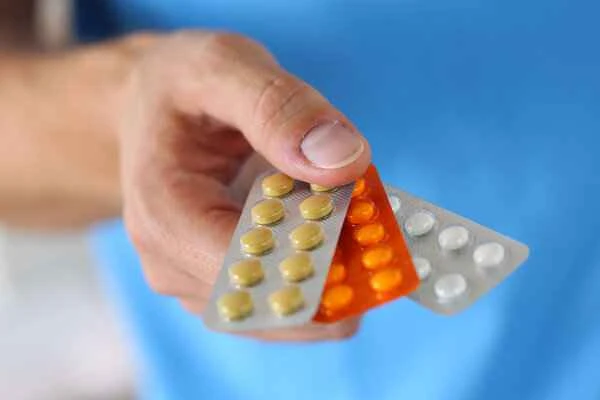
When treating electrical shock scars, the first step is to assess the type and severity of the scar. Mild electrical shock scars may only require topical application of antibiotic ointment and keeping the wound clean and dry. For more severe scars, methods such as anti-inflammatory drugs, growth factors, or laser therapy may be needed to reduce inflammation and promote skin repair. These treatments accelerate the skin healing process by reducing the inflammatory response in scar tissue and promoting cell regeneration and collagen production. Physical therapies such as pressure therapy or the application of silicone dressings can also help improve the appearance and texture of the scar. In some cases, if the scar hyperplasia is severe or affects function, surgical excision of the scar tissue may be necessary, supplemented by methods such as skin grafting to restore the normal structure and function of the skin.
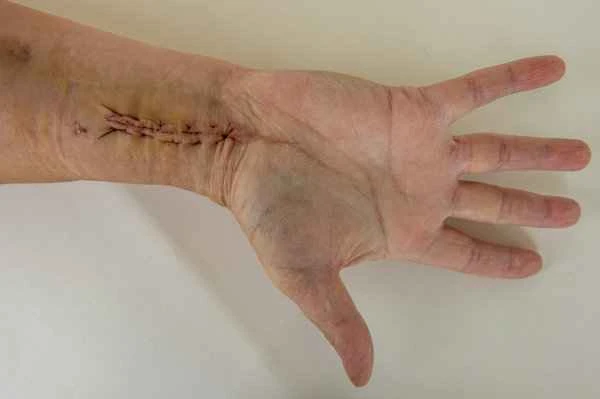
When treating electrical stimulation scars, it's crucial to avoid some common misconceptions. Overuse of hormonal medications can lead to skin thinning and other side effects, so they should be used cautiously under a doctor's guidance. Some unverified home remedies or unregulated treatments may not only be ineffective but could also worsen the scar or cause infection. When choosing a treatment method, prioritize clinically proven effective approaches and undergo treatment under the guidance of a professional physician.
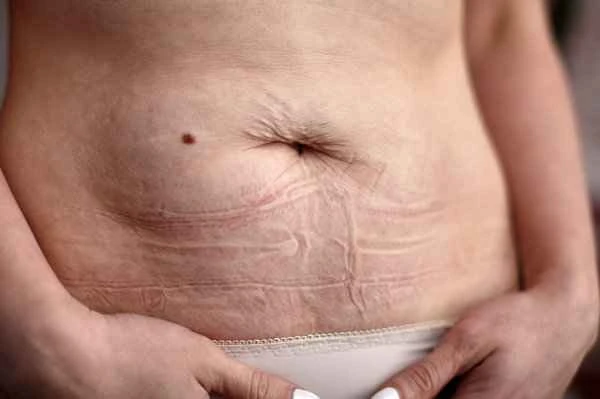
[Management Tip:]
1. Regularly check the wound healing process and promptly detect and treat any infections.
2. Keep the wound clean and dry to avoid further injury.
3. Use appropriate medications and physical therapy methods as advised by your doctor.
4. If any abnormal symptoms occur, such as severe pain or worsening redness and swelling, seek medical attention promptly.