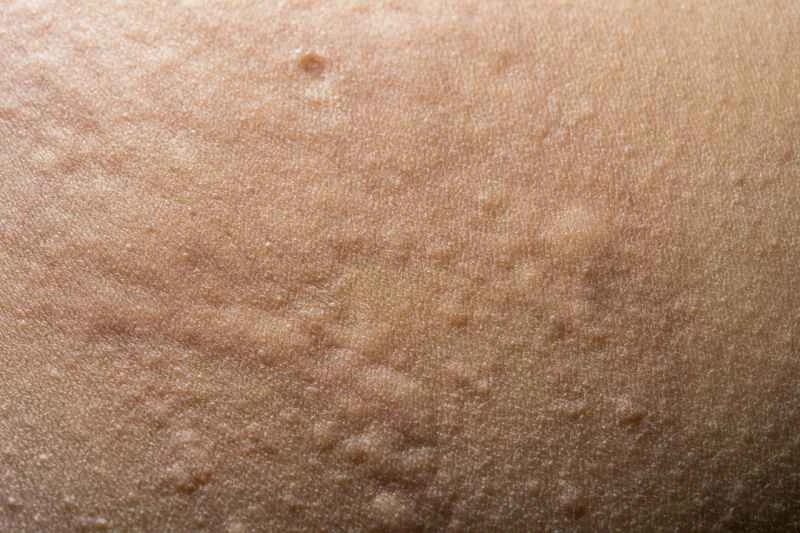
Injectable treatments for urticaria may be effective in certain situations, but the decision should be made by a doctor based on the severity and type of the condition. It is generally recommended when oral medications are ineffective or during an acute flare-up; do not self-medicate.

The specific effects and applicable situations can be divided into the following points:
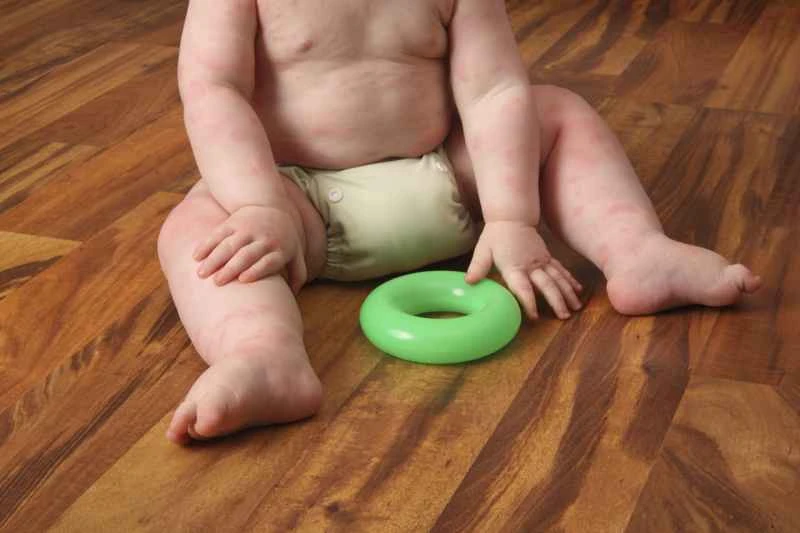
1. **In the event of an acute and severe attack:** If an emergency occurs, such as laryngeal edema or difficulty breathing, the injection of adrenaline or hormones can quickly relieve the symptoms and is a key treatment method.
2. **Chronic refractory urticaria**: Some patients may experience a reduction in recurrences with the use of biologics (such as omalizumab), but regular assessment of the response is necessary.
3. **When conventional medications are ineffective:** When antihistamines are not effective, doctors may administer short-term injections of corticosteroids to control inflammation, but long-term use is not recommended.
It is recommended that you first record the frequency of your attacks and any triggers (such as food, stress, etc.), and communicate this thoroughly with your doctor during your consultation. If you are receiving injection treatment, you should observe for any adverse reactions after the injection and cooperate with lifestyle adjustments (such as avoiding scratching and wearing loose clothing). Treatment choices should be individualized, and regular follow-up visits to adjust the treatment plan are more reliable.