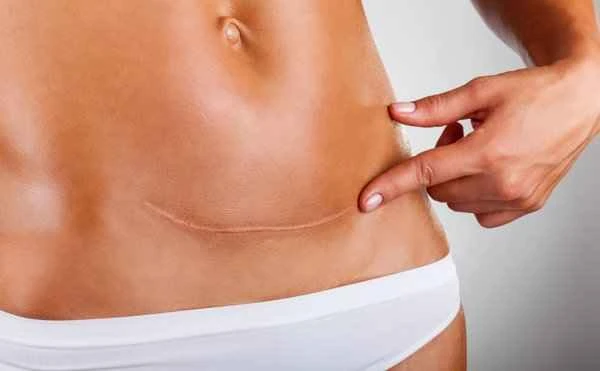
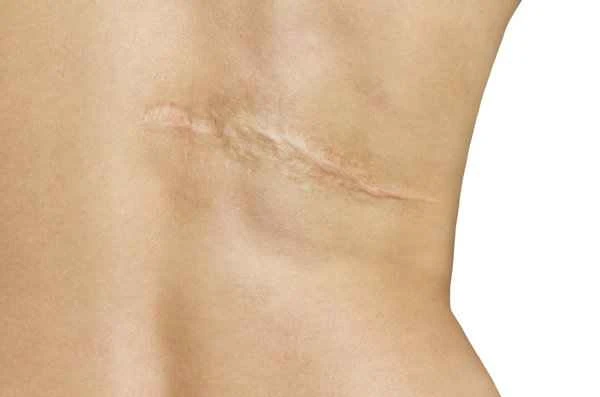
The removal of secondary surgical scars refers to the use of a series of medical methods to reduce or eliminate the scars left after surgery.
Removing secondary surgical scars primarily relies on a variety of treatment methods, including medication, physical therapy, and surgical intervention. In medication, products such as silicone sheets and scar gels can promote skin healing and reduce scar formation. Physical therapies, such as laser therapy and radiofrequency ablation, can stimulate collagen regeneration in the skin, improving the appearance of the scar. In some cases, if the scar is particularly severe, surgical intervention may be necessary, such as scar excision or flap transplantation, to improve the scar's appearance and function. These methods can be used in combination to achieve optimal treatment results. For example, medication can create favorable skin conditions for physical therapy and surgical intervention, while physical therapy and surgical intervention can further improve the appearance and function of the scar.
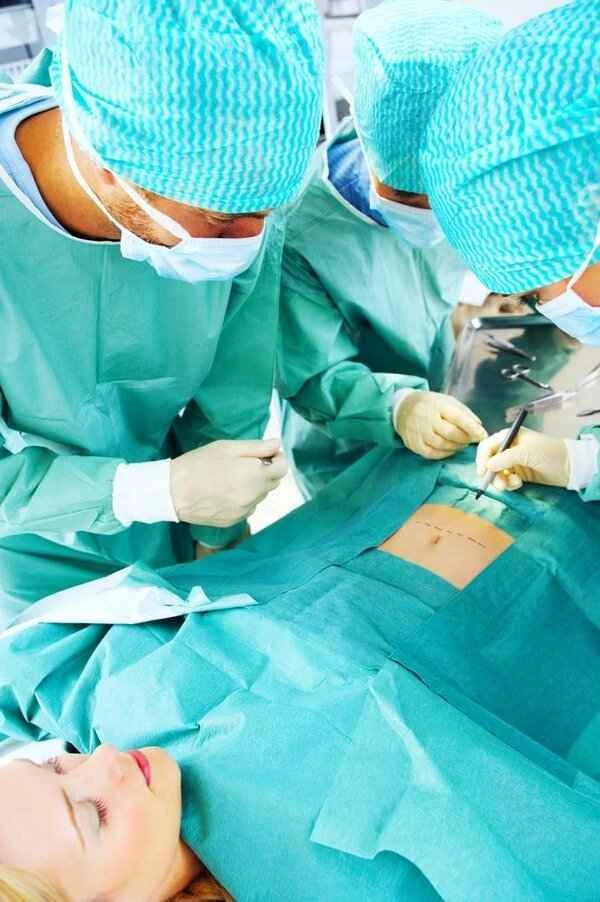
Removing scars from secondary surgeries can present challenges and risks. Everyone's skin condition and healing ability are different, so the same treatment may produce varying results in different individuals. Some treatments may cause skin allergies or other adverse reactions, therefore thorough evaluation and preparation are necessary before treatment. Finally, patients need patience during the treatment process, as scar removal often requires a long period and continuous treatment.
[Management Tip:]
1. Use medications such as silicone sheets or scar gel to promote skin healing.
2. Consider physical therapies such as laser treatment or radiofrequency ablation to improve the appearance of scars.
3. In cases of particularly severe scarring, consult a doctor about whether surgical intervention is necessary.