The methods for testing one's keloid-prone constitution are usually unrelated to tattooing, but understanding one's own keloid-prone constitution is very important for avoiding excessive scarring or keloids that may occur after getting a tattoo.

Keloid-prone constitution, also known as keloid hyperplasia constitution, refers to a condition where the body is prone to excessive scar tissue formation during wound healing, such as keloids or hypertrophic scars. In individuals with this constitution, the scar tissue formed during wound healing extends beyond the wound edges, resulting in abnormally proliferating scars. For people with a keloid-prone constitution, tattooing may lead to a more severe scarring reaction; therefore, understanding one's own keloid-prone constitution is crucial before considering tattooing.
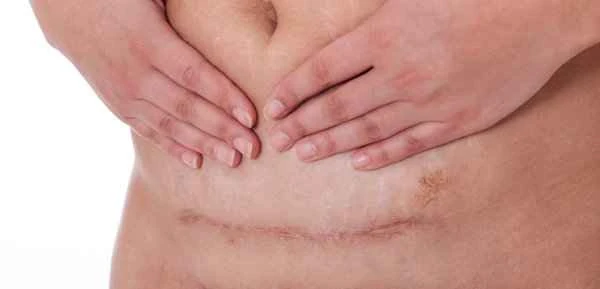
Testing for keloid scarring can usually be done with a simple skin test. A common method is an intradermal injection test, which involves injecting a small amount of corticosteroid or 5% procaine solution into the skin and observing the reaction at the injection site. If an induration larger than 2 mm appears at the injection site within 24 hours, or if significant scar hyperplasia occurs in the following days, it may indicate that the individual has a keloid scarring predisposition. Family history is also an important factor in determining keloid scarring predisposition; if there are members in the family with keloid scarring, the individual may also have a predisposition.
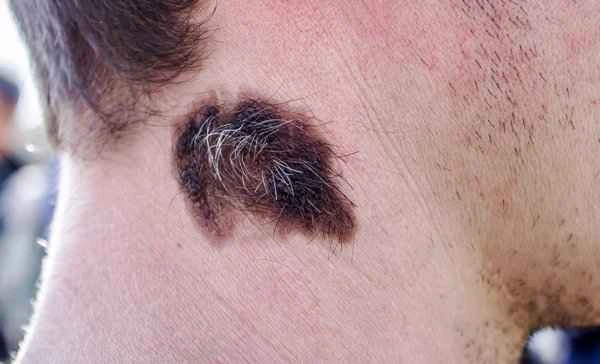
After understanding your own predisposition to keloid scarring, if you discover you have this predisposition, you should consult a professional dermatologist before considering tattooing to assess the potential risks and discuss possible preventative measures and treatment options. Maintaining healthy lifestyle habits, such as avoiding smoking, keeping wounds clean, and providing proper care, can also help reduce the risk of excessive scarring.
[Life Tips:]
1. Before considering a tattoo, have a skin test to determine if you have a tendency to form keloids.
2. Maintaining healthy lifestyle habits, such as avoiding smoking, can help reduce the risk of excessive scarring.
3. Consult a dermatologist before getting a tattoo to understand the potential risks and preventative measures.