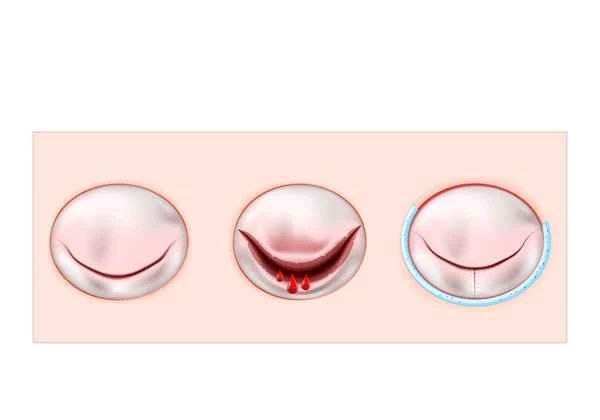
Herpetic cheilitis, commonly caused by the herpes simplex virus (HSV), is a common oral disease, especially prevalent in children. It typically presents as small blisters on the lips, accompanied by pain or a burning sensation. Herpetic cheilitis is indeed contagious, primarily spread through direct contact or saliva.

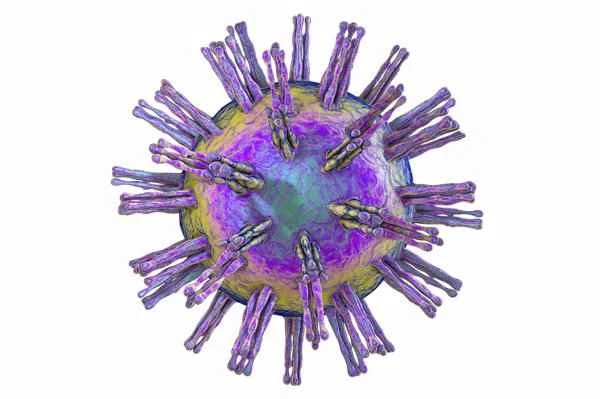
There are two types of HSV: HSV-1 and HSV-2. HSV-1 is the most common type of virus that causes herpetic cheilitis, while HSV-2 is mainly associated with genital herpes. The virus is transmitted through saliva, skin contact, or sharing personal items such as towels and utensils. Once infected, the virus may lie dormant in nerve cells and may become active again and cause symptoms when the body's immunity declines.
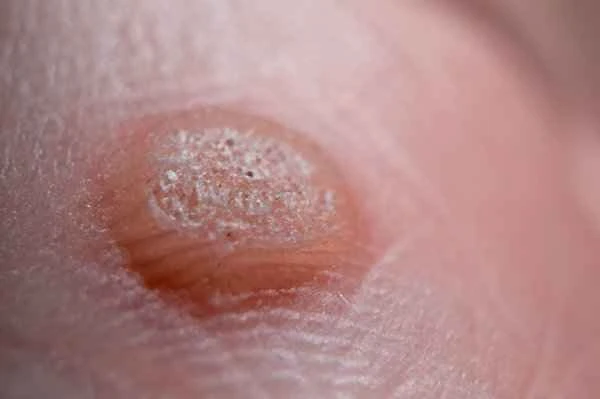
Symptoms of herpetic cheilitis typically include red patches and blisters on the lips, accompanied by pain or burning. Sometimes, patients may also experience systemic symptoms such as fever and sore throat. Symptoms usually appear within 1 to 2 days of infection and may last 7 to 10 days. Children infected with HSV-1 may experience more severe symptoms and require close monitoring.
It's important to note that the contagious nature of herpes cheilitis means that close contact with others should be avoided during the onset of symptoms, especially for those with weakened immune systems. If a child develops symptoms of herpes cheilitis, parents should prevent the child from sharing personal items such as utensils and towels with others to reduce the risk of virus transmission. While herpes cheilitis is self-limiting in most cases, if symptoms are severe or persist for an extended period, medical attention should be sought promptly to prevent complications.
[Prevention Tips:]
1. Maintain good personal hygiene habits, such as washing hands frequently and avoiding direct contact with infected individuals.
2. Avoid sharing personal items with others, such as towels and tableware.
3. Strengthen nutrition and maintain sufficient sleep to enhance immunity.
4. Reducing stress and maintaining a positive mindset can help reduce viral activity.