The management of keloids involves reducing the formation and proliferation of scar tissue through various methods. Keloids are excessively growing scar tissue that is not limited to the wound healing area but may also grow outwards, causing discomfort and psychological burden for patients. Managing keloids requires a comprehensive approach, considering drug therapy, physical therapy, and lifestyle adjustments to alleviate symptoms and improve appearance.
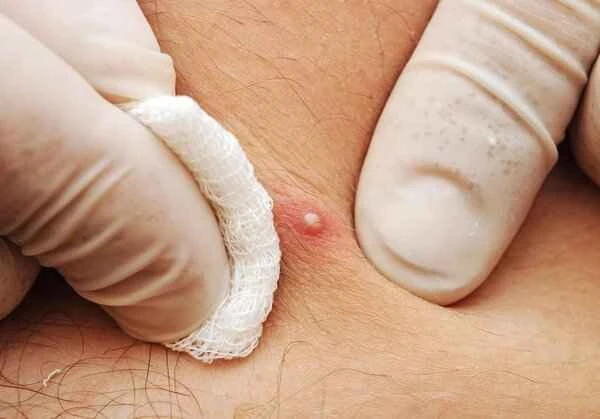
In the treatment of keloids, medication is a common approach. Topical corticosteroids are currently the most frequently used treatment method, reducing scar tissue formation by inhibiting inflammatory responses and cell proliferation. Silicone sheets and pressure therapy are also widely used; they help soften scar tissue and reduce its size and hardness through continuous pressure and moisturizing effects. These methods usually require long-term adherence to achieve optimal results. Simultaneously, surgical removal of keloids combined with radiation therapy can effectively prevent recurrence, but this method carries certain risks, potentially causing side effects such as skin pigmentation or damage.

In the treatment of keloids, patients may encounter some common misconceptions, such as believing that all scars can be improved with simple topical medications, or mistakenly believing that surgical excision is the only effective treatment. In reality, keloid treatment requires comprehensive consideration of multiple factors, including the size and location of the scar, and the patient's overall health. When choosing a treatment method, a professional dermatologist should develop a personalized treatment plan based on the patient's specific situation.
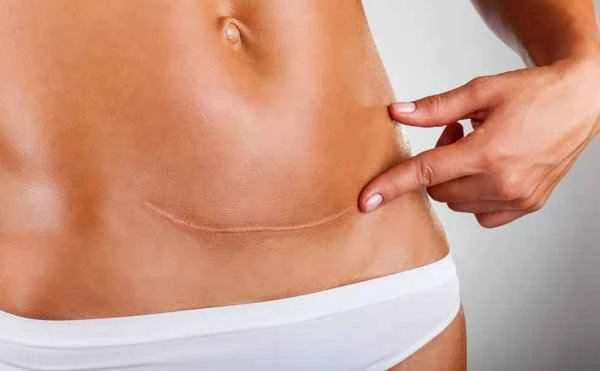
[Management Tip:]
1. Use silicone sheets or pressure therapy regularly to promote softening and contraction of scar tissue.
2. Avoid squeezing or rubbing keloids yourself, as this may worsen the symptoms.
3. If keloids rapidly enlarge or are accompanied by symptoms such as pain or itching, seek medical attention promptly.