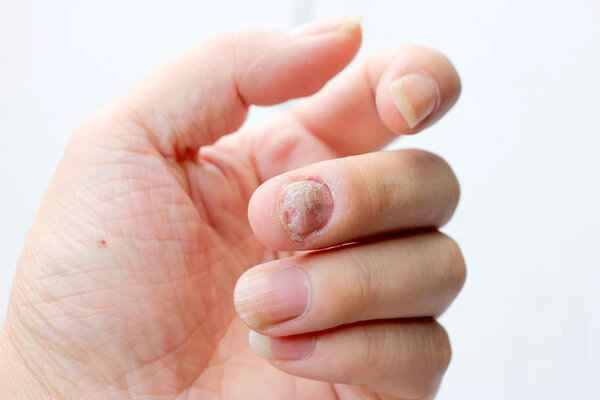
Poor skin can be improved by changing lifestyle habits and diet. Skin health depends not only on external care but also on internal health conditions.

The skin is the largest organ in the human body, protecting us by regulating body temperature and preventing pathogens from invading. Skin health is influenced by a variety of factors, including genetics, environment, diet, and lifestyle. When skin becomes dry, rough, or dull, it often indicates potential nutritional deficiencies or metabolic abnormalities within the body. The key to improving skin condition lies in adjusting lifestyle habits and dietary structure to promote the health and vitality of skin cells.
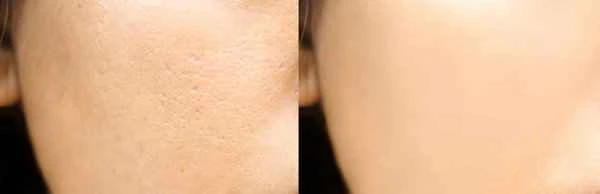
In practice, ensuring adequate intake of water and vitamins, such as vitamins A, C, and E, is beneficial for skin health. Increasing your intake of antioxidant-rich foods, such as blueberries and green tea, can help combat free radical damage to the skin. Maintaining good sleep quality and moderate exercise can also promote blood circulation, allowing the skin to receive better nutrition. Finally, avoid prolonged exposure to ultraviolet (UV) rays and use sunscreen to protect your skin from UV damage.

[Life Tips:]
1. Drink enough water every day to maintain the body's and skin's moisture balance.
2. Increase your intake of fresh fruits and vegetables, especially those rich in vitamins and antioxidants.
3. Maintain a regular sleep schedule and ensure sufficient sleep.
4. Moderate exercise promotes blood circulation and improves the skin's metabolic capacity.