If you don't take any medication, the symptoms of urticaria may subside on their own, but they may also recur or worsen.
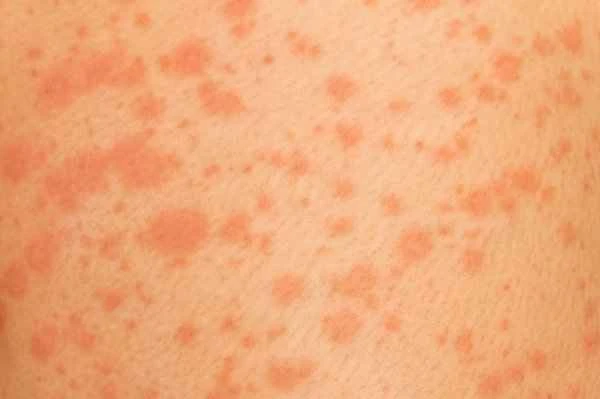
Urticaria, or hives, is a common allergic skin reaction that manifests as itchy red or skin-colored patches. Without medication, urticaria can recur due to the persistent presence of allergens, and in some cases, the symptoms may even worsen. The natural course of urticaria varies from person to person; some people may experience spontaneous remission within days or weeks, while others may experience prolonged, recurring episodes. Without medication, recurrent urticaria not only affects a patient's quality of life but can also exacerbate skin inflammation and even lead to other complications.

The natural course of urticaria is influenced by a variety of factors, including persistent exposure to allergens and individual differences in immune response. For urticaria patients, identifying and avoiding allergens is key to preventing recurrent flare-ups. For patients who cannot avoid allergen exposure or have more severe symptoms, medication remains an effective means of controlling symptoms and reducing the frequency and severity of flare-ups. Long-term lack of medication may also increase the risk of complications such as skin infections.
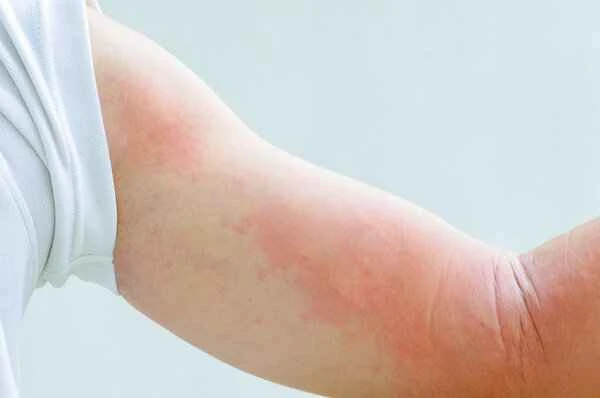
[Management Tip:]
1. Try to avoid known allergens.
2. Maintain good personal hygiene habits.
3. Seek medical attention promptly if severe symptoms occur.