The pain from scrotal folliculitis is due to the inflammatory reaction caused by hair follicle infection.
The reason scrotal folliculitis is particularly painful is due to the inflammatory response caused by hair follicle infection. Folliculitis is usually caused by bacterial infection, such as Staphylococcus aureus, which can trigger inflammation of the tissue surrounding the hair follicle, leading to pain. The occurrence of folliculitis may be related to personal hygiene habits, local friction, and excessive sweating. Treatment usually requires a comprehensive approach, including local cleaning, the use of antibiotic ointments, and oral antibiotics to control the infection and reduce inflammation. Keeping the area dry and clean, and avoiding excessive friction and irritation, are also important components of treatment. For pain management, over-the-counter analgesics, such as ibuprofen, can be used to relieve pain, but should be used under the guidance of a doctor.
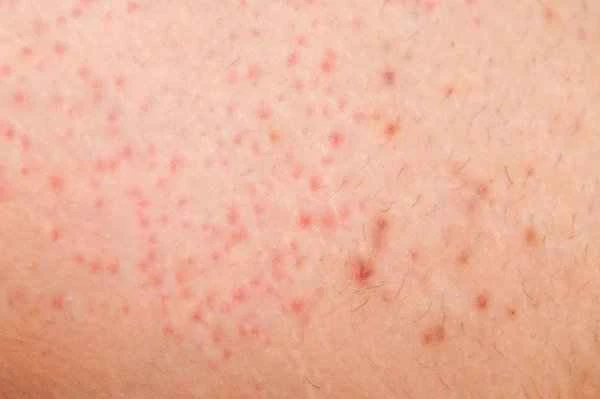
When treating scrotal folliculitis, it's important to note that while some over-the-counter medications can relieve symptoms, they may not cure the infection. While attempting self-treatment, it's crucial to seek medical attention as soon as possible for a more accurate diagnosis and more effective treatment. Avoid squeezing or scraping the affected area, as this can worsen the infection or lead to more serious complications. The appropriate treatment should be determined based on the severity and type of the infection and may include topical or systemic antibiotics, as well as improvements in personal hygiene.
[Management Tip:]
1. Keep the affected area clean and dry, and avoid excessive friction.
2. Use antibiotic ointments or oral medications recommended by your doctor.
3. Avoid squeezing or scraping the affected area yourself.
4. Regular follow-up visits to monitor changes in the condition.