The stabilization time of a laceration scar refers to the length of time after a laceration has healed when the scar tissue tends to stabilize and no longer shows significant changes. Understanding when a laceration scar stabilizes helps us better care for the wound, prevent excessive scar hyperplasia, and promote aesthetic and functional recovery after healing. This is because timely care and appropriate treatment can effectively reduce the discomfort and appearance problems caused by scars.
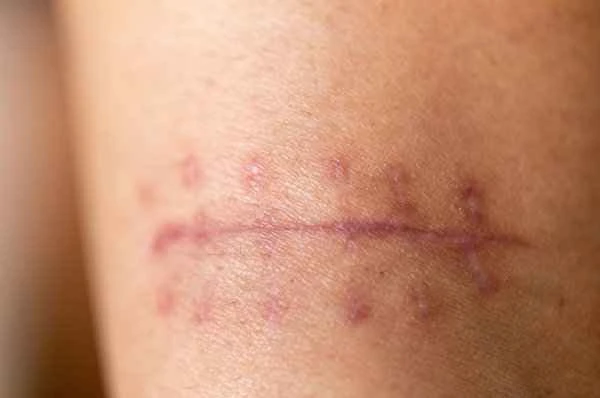
The stabilization process of laceration scars involves complex physiological changes. In the early stages of wound healing, a temporary scab forms on the skin, followed by an inflammatory phase where tissue repair begins. Fibroblasts become active, producing large amounts of collagen and forming initial scar tissue. Over time, the scar tissue matures, collagen becomes more organized, the scar color lightens, and its size shrinks, eventually stabilizing. This process is influenced by various factors, including individual constitution, wound location, wound size, and whether appropriate aftercare was provided.
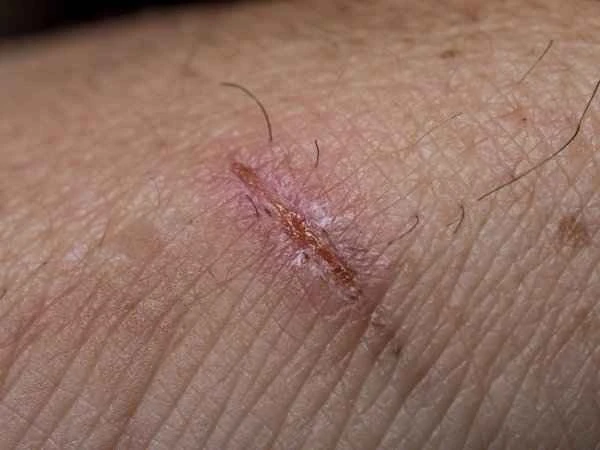
After understanding when laceration scars stabilize, we should objectively view the natural process and take appropriate care measures based on the specific situation. It's important to note that the time it takes for a scar to stabilize varies from person to person. Generally, minor laceration scars may stabilize within a few months, while larger wounds may take a year or longer. When dealing with laceration scars, the most important thing is to follow your doctor's instructions, have regular checkups, observe changes in the scar, and adjust the treatment plan promptly. At the same time, avoid self-diagnosing whether the scar is stable, as this could delay treatment.
【Useful Tips:】
1. Keep the wound clean to prevent infection and promote healing.
2. After the wound has healed, use scar care products recommended by your doctor, such as silicone sheets or scar gel.
3. Pay attention to a healthy diet, consume enough protein and vitamins to promote wound healing.
4. Regular follow-up examinations, adjusting the treatment plan according to the doctor's advice, and monitoring changes in the scar.