Keloids caused by eczema are an overreaction that occurs during the skin's repair process and require comprehensive treatment to reduce and remove them.
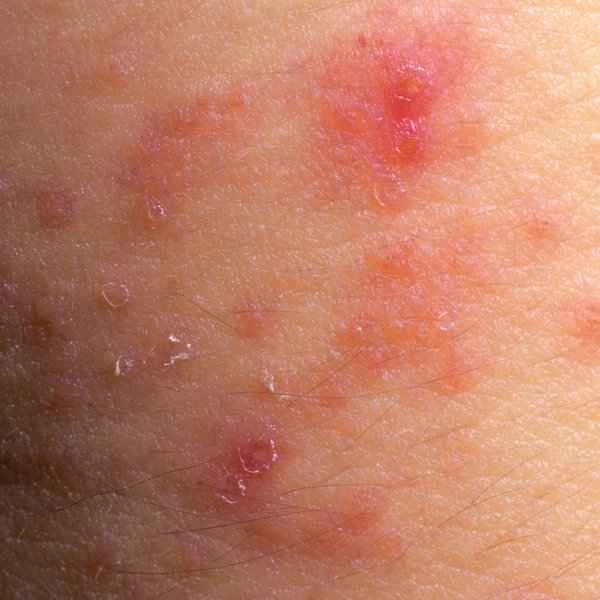
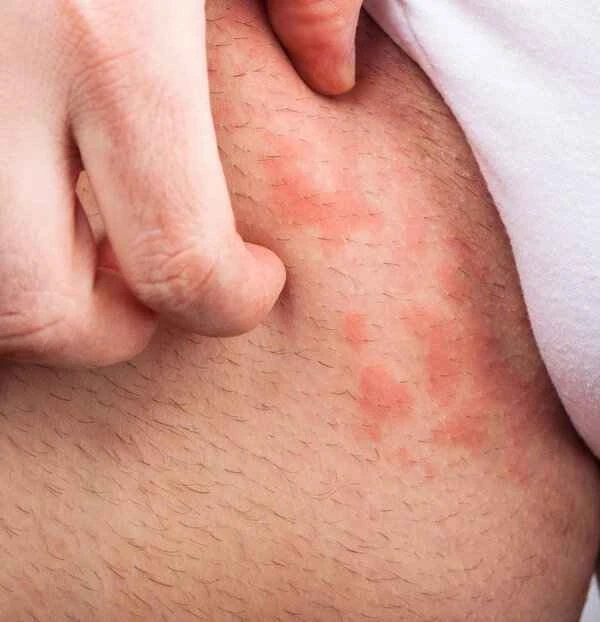
Eczema is a common inflammatory skin reaction. After eczema heals, keloids may form on the skin. Keloids are formed due to excessive proliferation during the skin's repair process. They are usually harder and larger than normal scars and may be accompanied by pain or itching. Treating keloids caused by eczema requires a comprehensive approach, addressing both the eczema and the keloids. Controlling the inflammatory response of eczema is key, which can be achieved by using topical corticosteroids, immunomodulators, or phototherapy to alleviate eczema symptoms. Simultaneously, for keloids, topical medications can be used, such as silicone gels or patches. These products help soften scar tissue and reduce redness and pain. Physical therapies such as pressure therapy, laser therapy, or cryotherapy can also help reduce keloids. These treatments work together, targeting the mechanisms of eczema and keloid formation, thereby reducing or eliminating keloids.
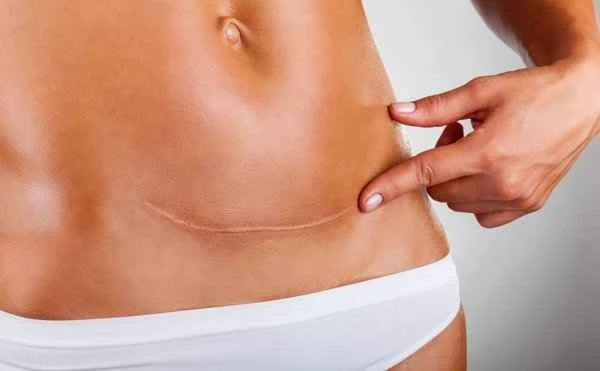
When treating keloids caused by eczema, it's important to note that keloid treatment often requires a long time, and the results vary from person to person. Some treatments may have side effects; for example, topical medications may cause skin irritation or allergic reactions, and physical therapy may cause pain or discomfort. When choosing a treatment method, it's necessary to determine the most suitable plan based on your individual situation and your doctor's advice. At the same time, avoid trying unproven treatments on your own, as this may worsen your skin condition.
[Management Tip:]
1. Regularly using moisturizing cream to keep skin hydrated can help alleviate eczema symptoms.
2. Avoid irritating foods and environmental factors to reduce the likelihood of eczema flare-ups.
3. If keloids appear, seek medical attention promptly and choose an appropriate treatment method based on the doctor's advice.