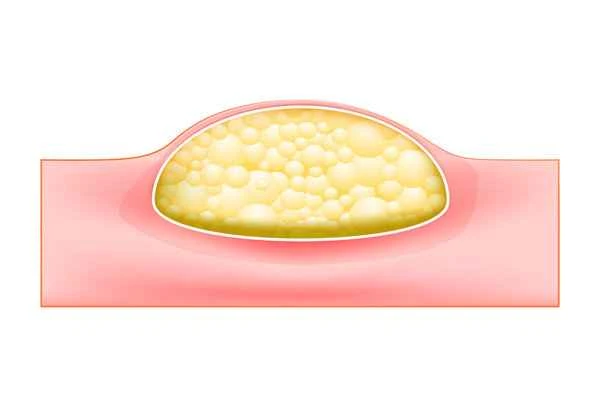
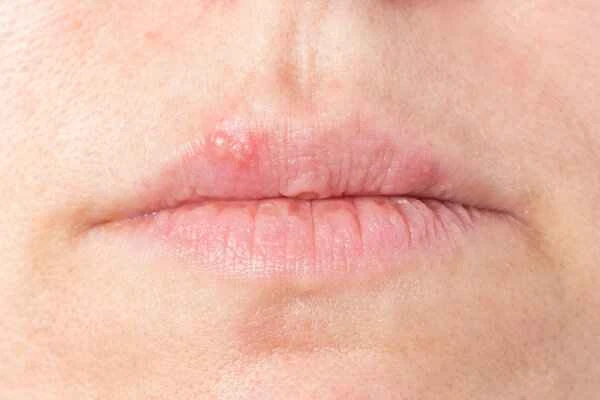
Cold sores can be treated with traditional Chinese medicine external application, antiviral drugs, topical anti-inflammatory ointments, and B vitamins.
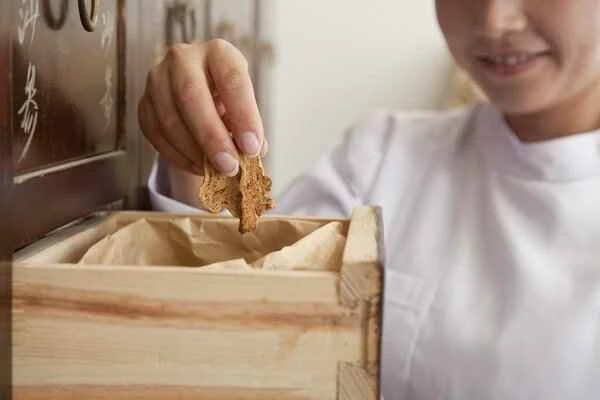
1. External application of traditional Chinese medicine
Traditional Chinese medicine external application involves preparing ointments or sachets from herbs with heat-clearing, detoxifying, blood-activating, and stasis-removing effects, and applying them directly to the affected area. For example, ointments made from herbs like Coptis chinensis and Isatis indigotica can relieve pain and promote healing. This is suitable for patients with mild to moderate cold sores, especially those allergic to Western medicines. However, it is necessary to carefully observe skin reactions and adjust the dosage according to the doctor's instructions.
2. Antiviral drugs
Antiviral drugs such as acyclovir and valacyclovir can inhibit viral replication and alleviate symptoms. They are usually taken orally or applied topically; specific usage should be determined by a doctor. They are effective for recurrent or severe oral herpes, as well as for initial infections with severe symptoms. Use under the guidance of a doctor to avoid long-term, high-dose use that may lead to drug resistance.
3. Topical anti-inflammatory ointment
Topical anti-inflammatory ointments such as erythromycin ointment and mupirocin ointment can reduce inflammation and accelerate wound healing. Choose an appropriate ointment based on the condition and apply it several times a day. This is suitable for patients with mildly infected cold sores and helps prevent secondary infections. Keep the affected area clean and dry when using this ointment.
4. B vitamins
B vitamins include a variety of water-soluble vitamins that can be obtained through oral supplements or food. Taking B-complex vitamin tablets can improve nerve function and promote epithelial cell repair. This is suitable for patients with cold sores caused by B vitamin deficiency, especially those with accompanying symptoms such as oral ulcers and glossitis. It is recommended to regularly check blood vitamin levels to determine if supplementation is necessary.
During treatment, it is important to maintain good personal hygiene and avoid touching the blisters to prevent infection. At the same time, a balanced diet, with increased intake of fresh vegetables and fruits, can help boost immunity and shorten the course of the illness.