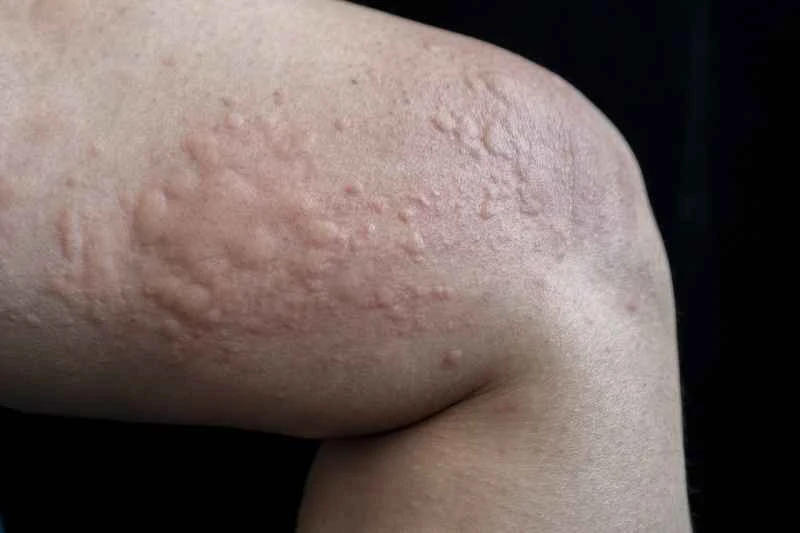
Acne scarring is usually caused by excessive skin inflammation, leading to poor repair of damaged skin tissue. This is more common in patients with severe acne (pimples). When pimples are squeezed or the infection worsens, the deep tissues of the skin are damaged, and the skin cannot repair itself properly during the healing process, thus forming scars.

If acne persists and recurs, the skin is repeatedly stimulated by inflammation, which may damage collagen and elastin fibers in the skin tissue, leading to a decrease in the skin's repair ability and the formation of scars. During the skin healing process, if the inflammatory response is too strong, it may also lead to excessive skin proliferation, forming hypertrophic scars or keloids.
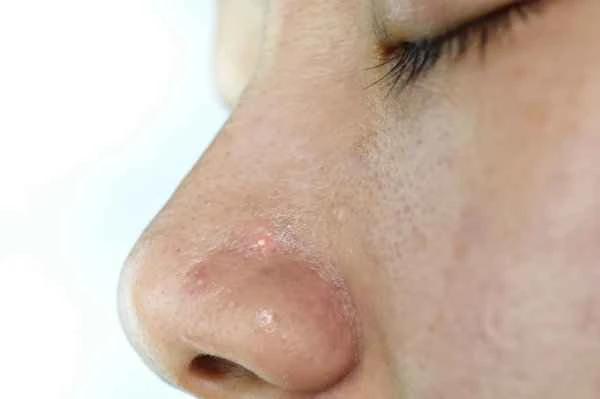
Skin scarring is also influenced by genetic factors, skin type, and individual constitution. For individuals prone to scarring, prevention and early treatment of acne are especially important. Avoiding squeezing pimples, keeping skin clean, and choosing suitable skincare products can help reduce the risk of scarring.
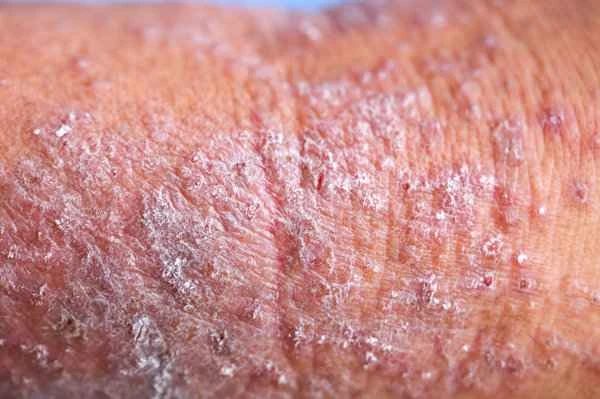
[Prevention Tips:]
1. Keep your skin clean and avoid using harsh skin care products.
2. Avoid squeezing pimples to prevent worsening inflammation and skin damage.
3. Choose skincare products containing anti-inflammatory ingredients to help reduce skin inflammation.
4. For skin types prone to scarring, use products containing ingredients that promote skin repair regularly.