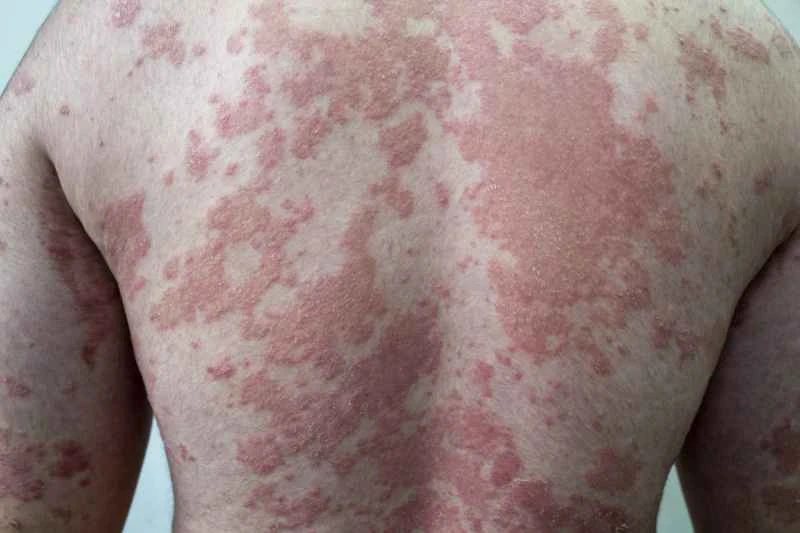
Urticaria and prickly heat are two common skin conditions that differ in their symptoms, causes, and treatments.
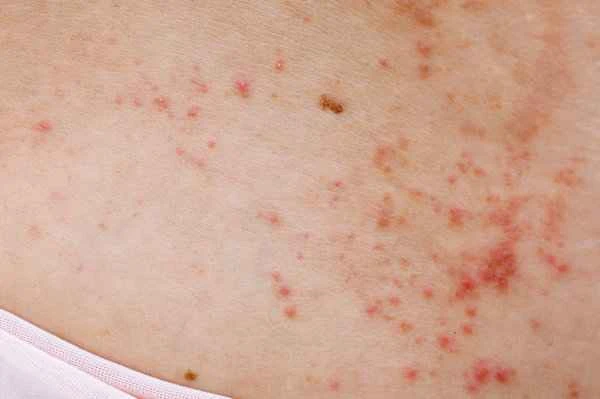
The importance of distinguishing between urticaria and prickly heat lies in the fact that although both manifest as skin discomfort, their causes and treatments are completely different. Correctly differentiating them helps in timely and appropriate treatment, avoiding misdiagnosis and unnecessary drug side effects.
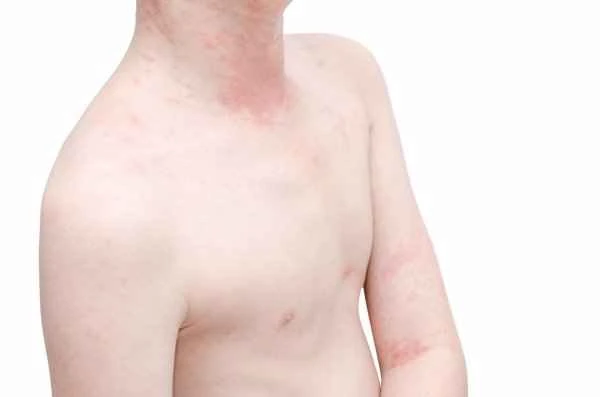
Urticaria (hives) is a common allergic reaction that manifests as the sudden appearance of red or skin-colored welts on the skin, accompanied by intense itching. It is usually caused by food, medication, insect bites, or environmental factors. Heat rash, on the other hand, is a skin problem caused by clogged sweat glands, preventing the normal flow of sweat. It is common in hot and humid environments and appears as small red spots or blisters, accompanied by mild itching or discomfort. While both skin conditions can cause discomfort, urticaria is usually associated with allergic reactions, while heat rash is related to clogged sweat glands.

Understanding these differences helps us better identify symptoms and take appropriate preventative and treatment measures. When faced with skin discomfort, the first step should be to observe the characteristics of the symptoms, such as whether the welts of urticaria are accompanied by intense itching, or whether the small red spots of prickly heat appear in hot and humid environments. These observations can help in the initial assessment of whether it is urticaria or prickly heat, allowing for appropriate intervention. It is important to note that these preliminary assessments are for reference only; the final diagnosis and treatment plan should be determined by a professional physician based on the specific circumstances.
【Useful Tips:】
1. Pay attention to the characteristics of skin symptoms, such as whether the urticaria lumps are accompanied by severe itching, or whether the small red spots of prickly heat appear in hot and humid environments.
2. Keep your skin clean and dry, and avoid prolonged exposure to hot and humid environments.
3. If symptoms persist or worsen, seek medical attention promptly to avoid self-medicating and worsening of the condition.
4. Under the guidance of a doctor, use appropriate medications for treatment, such as antihistamines to treat urticaria, or use cooling agents to relieve discomfort caused by prickly heat.