Cryotherapy for keloids is a treatment method that uses extremely low temperatures to destroy keloid tissue. The core of this treatment lies in using freezing to cause necrosis of the keloid tissue, thereby reducing its size and improving its appearance. This treatment offers an effective option for those troubled by the appearance and functional impact of keloids.
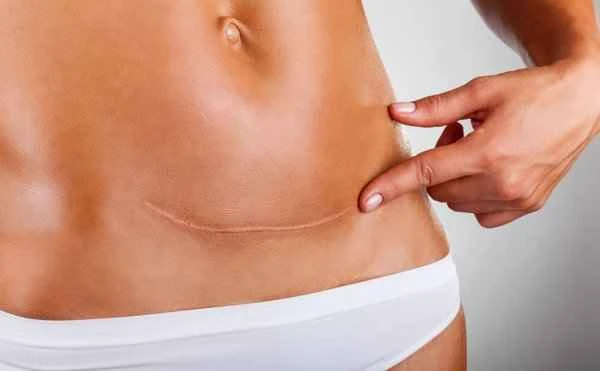
Cryotherapy for keloids is important because it effectively addresses keloids that do not respond well to traditional treatments. This method can reduce the size of keloids, alleviate pain and discomfort, and improve the patient's appearance and quality of life. Cryotherapy avoids the trauma and recovery period of surgery, reducing the pain and risks associated with the treatment process.
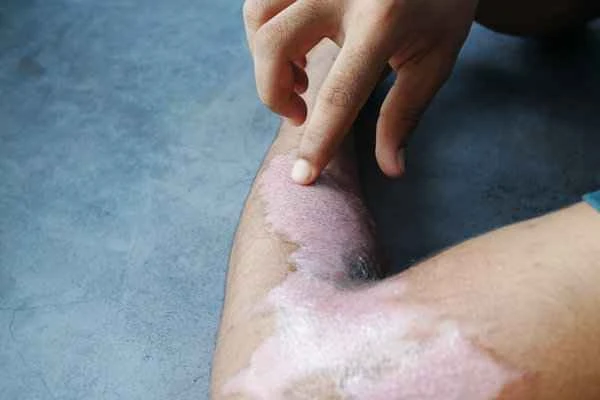
Cryotherapy works by exposing keloid tissue to extremely low temperatures using cryogens such as liquid nitrogen. This causes water crystals to form within the tissue cells, leading to cell rupture and tissue necrosis. During treatment, the doctor precisely applies the cryogen to the keloid area, controlling the freezing time and temperature to achieve optimal results. After treatment, the keloid tissue is gradually absorbed and replaced by the body, thus improving the appearance of the keloid.
After cryotherapy for keloids, patients need to understand how the treatment results are interpreted. The effectiveness of the treatment can usually be measured by changes in the size of the keloid, reduction in pain, and improvement in appearance. It's important to note that cryotherapy is not suitable for all types of keloids, and the results may vary from person to person. Some side effects may occur during treatment, such as local redness, swelling, pain, or pigmentation. These require observation and management under the guidance of a doctor. After receiving cryotherapy, patients should closely monitor changes in the treated area and communicate with their doctor promptly to adjust the treatment plan accordingly.
【Useful Tips:】
1. Before undergoing cryotherapy for keloids, you should consult a professional doctor to ensure that the treatment plan is suitable for your individual situation.
2. After treatment, keep the treated area clean and dry, and avoid friction and irritation.
3. Regular follow-up visits are necessary to monitor treatment effectiveness and adjust the treatment plan as needed.
4. Carefully observe the reaction of the treated area. If any abnormalities occur, seek medical attention promptly.