Whether you need a shot after cutting your hand on a cooked oyster shell depends on the severity of the wound and the risk of infection. When an oyster shell cuts the skin, the wound can come into contact with bacteria, especially if the shell hasn't been thoroughly cleaned and sterilized. The key to determining whether a shot is needed is assessing the depth and size of the wound and the potential for infection.
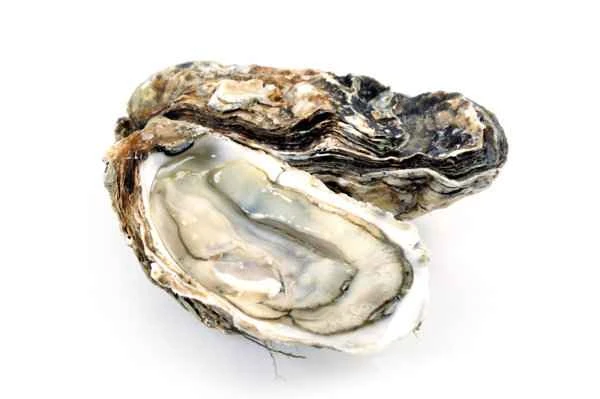
It's important to understand that any break in the skin can become a gateway for bacteria, especially pathogenic bacteria. In the case of a cut from an oyster shell, if the wound is deep or large, bacteria may enter the bloodstream, leading to infection. In such cases, a doctor may recommend a tetanus antitoxin or antibiotics to prevent infection. Tetanus antitoxin neutralizes the toxins produced by Clostridium tetani, while antibiotics help kill or inhibit bacterial growth, thus reducing the risk of infection.
It's important to note that not all cuts and scrapes require injections. If the wound is small, clean, and without obvious contamination, simple cleaning and bandaging may suffice. Even so, the wound should be closely monitored to ensure there are no signs of infection. Signs of infection may include redness, increased pain, and fever. If these symptoms occur, seek medical attention immediately.
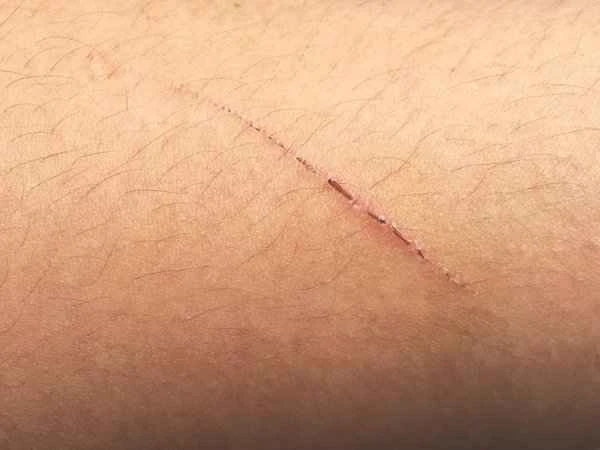
Patients may have several misconceptions when treating such wounds, such as believing that small wounds require no special treatment or that using common household medications will suffice. In reality, any skin break, especially wounds caused by potentially bacteria-carrying objects like oyster shells, should be taken seriously. Proper treatment includes not only cleaning the wound but also assessing its potential risks and seeking professional medical help when necessary.
[Management Tip:]
1. Clean the wound by thoroughly washing the skin around it with soap and water.
2. Observe the wound for signs of infection, such as redness, swelling, increased pain, or fever.
3. If the wound is deep or large, seek medical attention promptly to assess whether a tetanus antitoxin or antibiotic is needed.