Treatment for keloid scars primarily involves reducing redness and swelling, as well as raising the scar, through various methods to restore the smoothness and aesthetics of the skin.
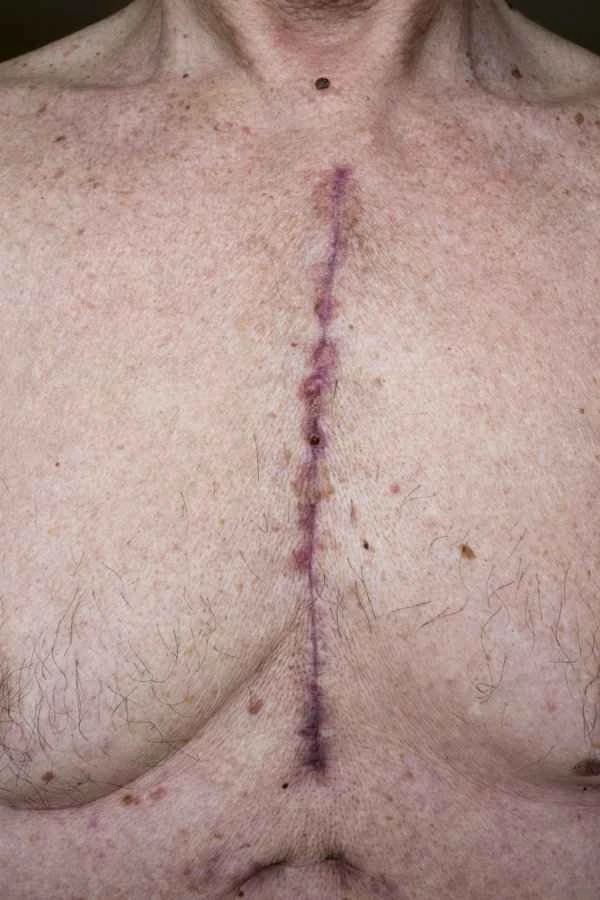
Keloid scars, also known as hypertrophic scars or keloids, are overgrown scar tissues that typically cover a larger area than the original wound. Treatment options for keloid scars vary, including medication, physical therapy, and surgery. Medication primarily involves corticosteroid injections, which inhibit scar tissue growth, reduce inflammation and redness, and thus improve the scar's appearance. Physical therapies include laser therapy, cryotherapy, and pressure therapy; these methods work through different mechanisms to soften and flatten the scar tissue. Surgical treatment is usually used for more severe scars, involving the removal of scar tissue and the use of skin grafts to improve the scar's appearance. Each treatment method has its advantages and disadvantages, and the effectiveness varies from person to person; therefore, choosing a treatment plan requires careful consideration of the patient's specific situation and the doctor's professional advice.
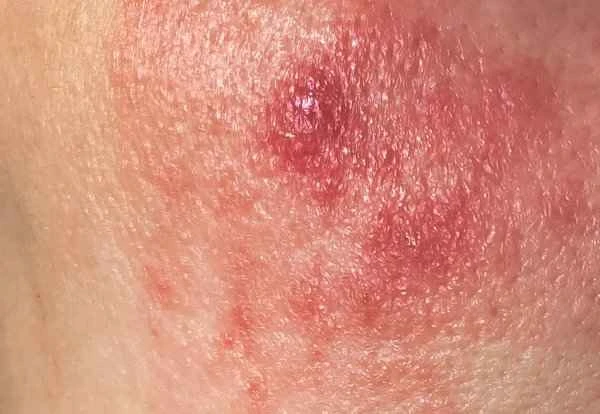
There are some risks and misconceptions that may arise during the treatment of keloid scars. Treating keloid scars is not a quick fix; it requires considerable patience and consistent treatment from the patient. While some treatments, such as corticosteroid injections, can effectively relieve scar symptoms, long-term use may cause side effects such as thinning of the skin and hyperpigmentation. Some patients may mistakenly believe that all scars can be cured with simple topical medications, but in reality, for some more severe scars, a combination of treatments may be necessary to achieve better results.
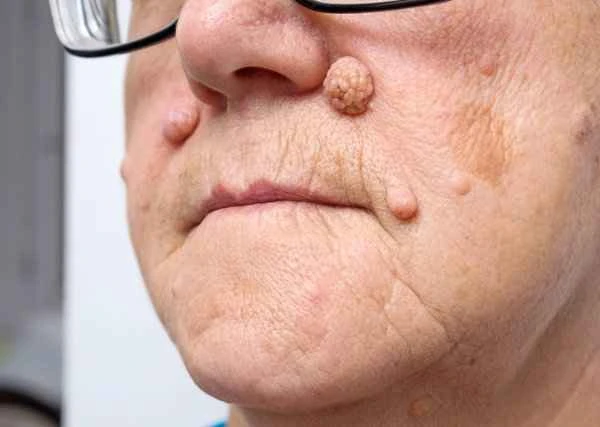
[Management Tip:]
1. Conduct regular scar assessments and monitor changes in scarring.
2. Choose appropriate treatment methods based on your doctor's advice and avoid trying things blindly.
3. Pay attention to daily care to avoid irritation or infection of the scar area.
4. Seek medical attention promptly if any abnormalities occur, such as a sudden increase in the size or color change of the scar.