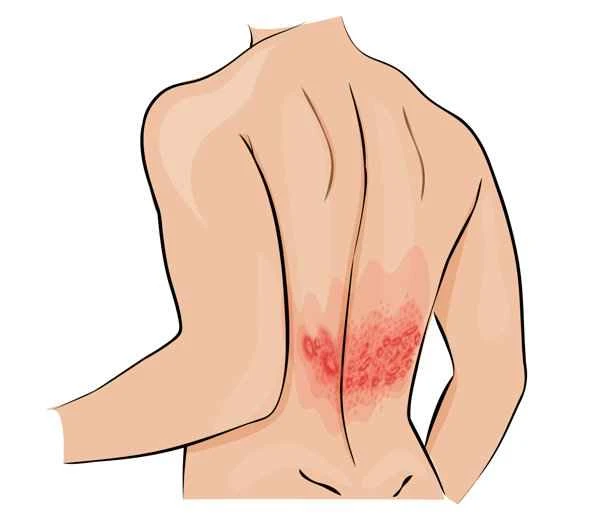
Psoriasis cannot be completely cured at present, but with standardized treatment and long-term management, patients with psoriasis vulgaris can effectively control symptoms and reduce recurrence. It is recommended to undergo comprehensive intervention under the guidance of a doctor, combined with lifestyle adjustments.
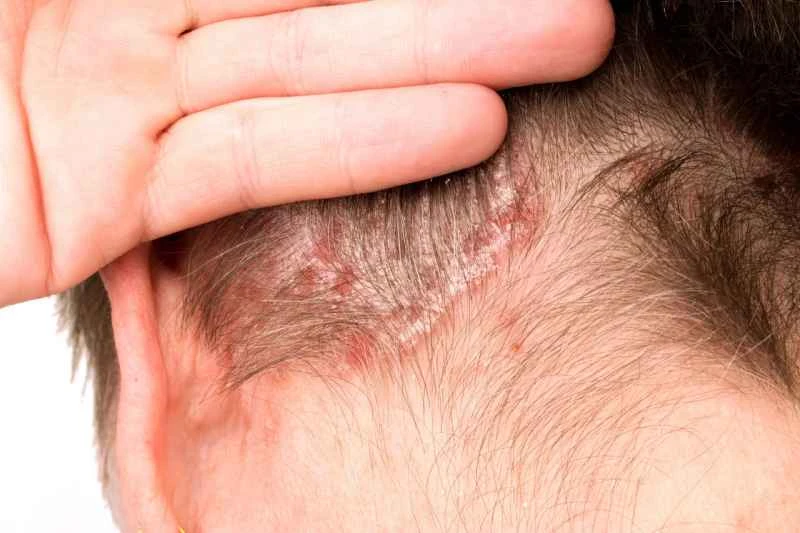
1. Adhere to standardized treatment: Depending on the severity of the condition, your doctor may recommend topical medications (such as moisturizers, steroid creams), phototherapy, or oral medications. Do not stop medication or change the treatment plan on your own. Regular follow-up appointments help adjust the treatment strategy.

2. Pay attention to skin care: Use gentle moisturizing products daily and avoid scratching or rubbing damaged skin. When bathing, the water temperature should not be too high, and choose non-irritating cleansing products. Keeping the skin moisturized can reduce discomfort.
3. Adjust your lifestyle: Reduce triggers such as staying up late and excessive stress, maintain a balanced diet, and limit alcohol intake. Moderate exercise helps boost immunity, but avoid skin injuries or excessive sun exposure.
4. Pay attention to mental health: Psoriasis may affect mood. Anxiety can be relieved by communicating with family members, cultivating hobbies, or seeking professional support. Maintaining a positive attitude has a positive effect on stabilizing the condition.
We recommend that you first visit the dermatology department of a reputable hospital to assess your condition and develop a personalized treatment plan. During treatment, be patient, record any changes in your symptoms, and communicate with your doctor promptly. Through scientific management and daily maintenance, most patients can achieve a long-term stable quality of life.