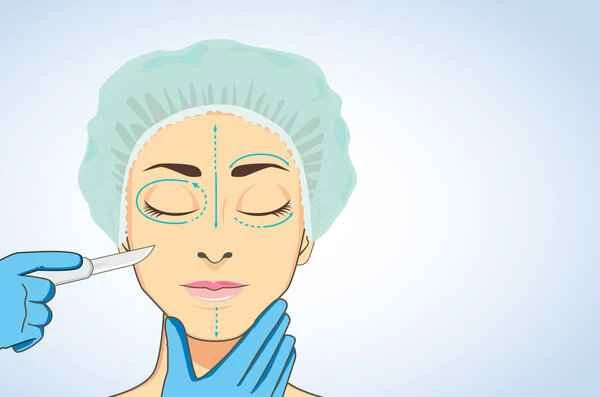
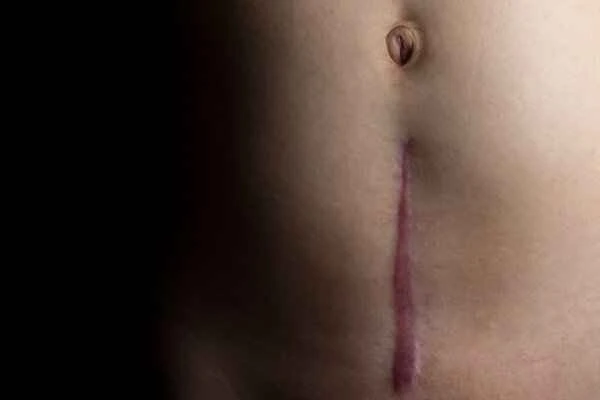
The time it takes for hypertrophic scars to heal after a facelift varies from person to person and depends on a variety of factors. Hypertrophic scars refer to the abnormal proliferation of scar tissue after surgery, leading to hardening and thickening of the local skin, sometimes accompanied by pain or itching. This hypertrophic scar tissue will gradually soften and shrink over time, but the specific timeframe for improvement can range from several months to several years. The recovery process of hypertrophic scars is influenced by many factors, including individual differences, the surgical site, postoperative care, and whether appropriate treatment measures are taken. For example, the blood circulation at the surgical site, the individual's healing ability, and the presence of infection can all affect the speed of scar recovery. Appropriate treatment measures, such as the use of anti-scarring medications, pressure therapy, or laser therapy, can also accelerate the recovery process of hypertrophic scars.
In discussing the recovery of hypertrophic facelift scars, we cannot ignore potential risks and misconceptions. Recovery from hypertrophic scars is a gradual process, requiring patience from patients who avoid rushing into inappropriate treatments. Some patients may mistakenly believe that all hypertrophic scars will disappear naturally, leading them to overlook the importance of timely treatment. In reality, without intervention, hypertrophic scars may persist or even worsen, impacting daily life. For patients with hypertrophic facelift scars, timely consultation with a professional doctor to develop a suitable treatment plan based on their individual circumstances is crucial.
[Management Tip:]
1. Have regular check-ups and closely monitor changes in scar hyperplasia.
2. Maintain good lifestyle habits and avoid irritating the scarred area.
3. If any abnormal symptoms occur, such as severe pain or changes in the color of the scar, seek medical attention promptly.