A hard, painful lump in the anus could be caused by hemorrhoids, anal fissures, rectal polyps, or malignant tumors.
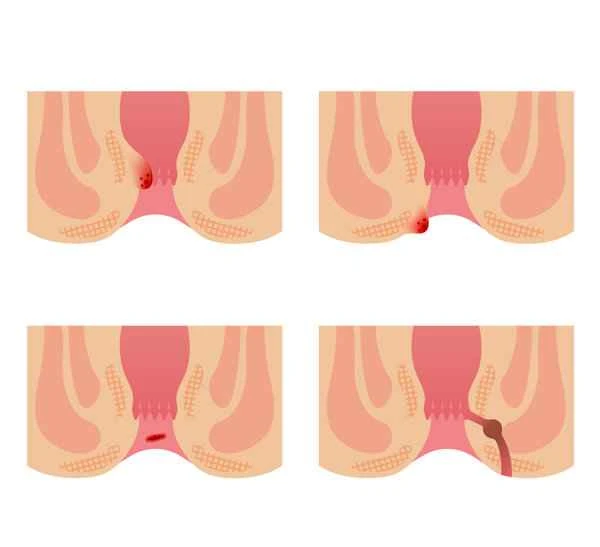
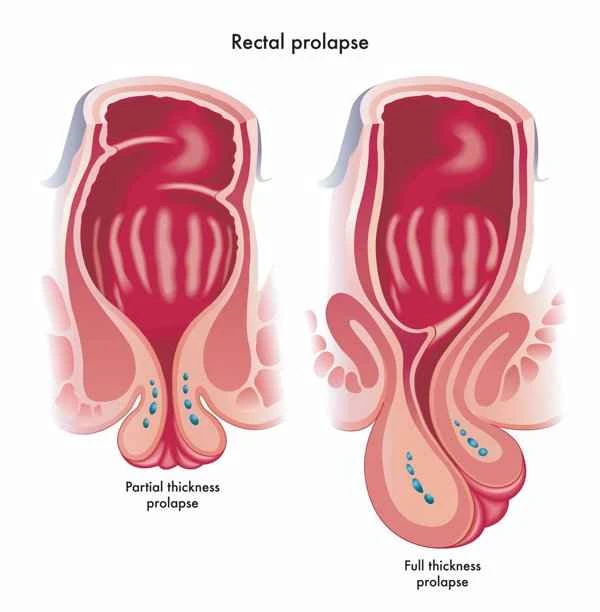
1. Hemorrhoids: When internal hemorrhoids prolapse outside the anus, they may be mistaken for "hard lumps." In this case, they may present as a lump at the anus, accompanied by pain. Hemorrhoid patients may also experience symptoms such as rectal bleeding and constipation.
2. Anal fissure: An anal fissure is a full-thickness tear in the anal canal skin that becomes infected. Symptoms often include perianal pain, difficulty defecating, and blood in the stool. Anal fissures are usually related to constipation and straining during bowel movements.
3. Rectal polyps: Rectal polyps are benign tumors that can sometimes be felt as a hard lump near the anus. Patients may also experience symptoms such as diarrhea, alternating constipation, and abdominal pain.
4. Malignant tumors: such as rectal cancer, may also form a hard lump in the anal area, accompanied by pain. In addition, patients may also experience symptoms such as weight loss and anemia.
In light of the above, it is recommended to seek medical attention promptly for a physical examination, imaging studies (such as ultrasound and CT scans), and, if necessary, a biopsy to determine the cause. Treatment options will vary depending on the specific cause and may include medication, surgical removal, or other treatment methods.
Because the lump is located in the anal area, it may cause local discomfort, itching, and other symptoms. If the symptoms continue to worsen or are accompanied by fever, fatigue, or other symptoms, an inflammatory reaction or infection should be considered.
If you find any abnormal lumps in the anal area, you should seek medical attention promptly to rule out the possibility of malignancy. In daily life, you should maintain good eating habits, avoid spicy and irritating foods, consume more dietary fiber, and maintain regular bowel movements to reduce pressure on the anus.