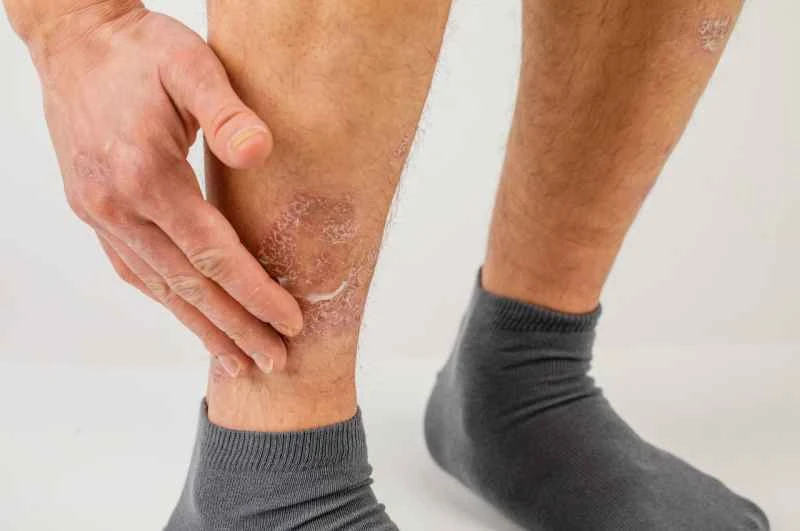
A scar reaction is a response of the body to scar tissue that forms after trauma, surgery, or disease. This reaction may manifest as abnormal proliferation of scar tissue, redness, swelling, pain, or itching. The occurrence of a scar reaction is related to a variety of factors, including individual genetics, inflammatory responses during wound healing, and external stimuli.
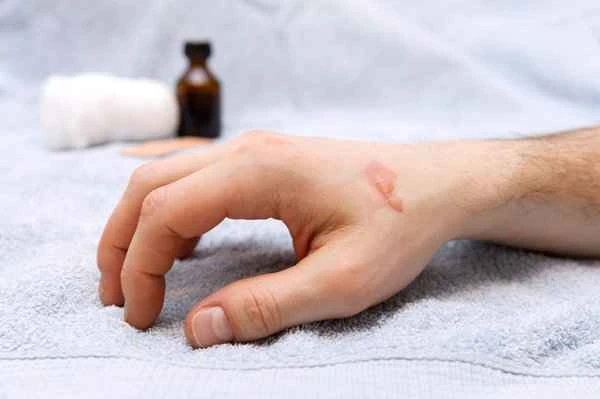
Scarring may be related to an excessive inflammatory response during wound healing. Inflammation is a natural defense mechanism of the body against trauma, but if the inflammatory response is excessive, it can lead to abnormal proliferation of scar tissue, forming keloids or hypertrophic scars. These abnormal scar tissues may remain red, swollen, painful, or itchy, causing discomfort to patients. Another possibility is structural abnormalities in the scar tissue; for example, overly tight scar tissue may restrict the range of motion of joints, affecting daily life.
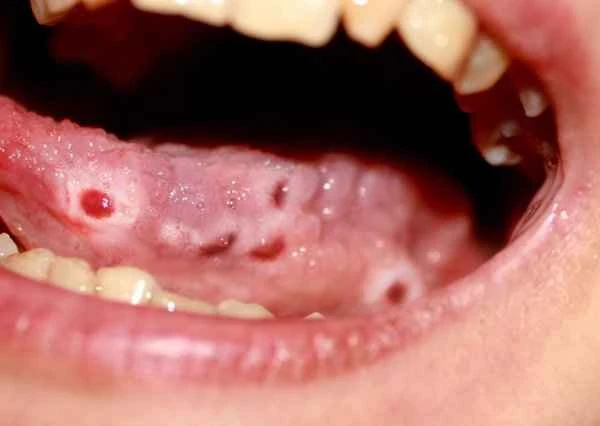
Symptoms of scarring reactions can vary from person to person and can be of varying severity. If a scarring reaction is accompanied by severe pain, increased redness and swelling, increased exudate, or rapid enlargement of the scar tissue, it may be a sign of infection or other complications, and you should seek medical attention promptly. Avoid self-treatment or ignoring the symptoms of a scarring reaction, as this may delay treatment.
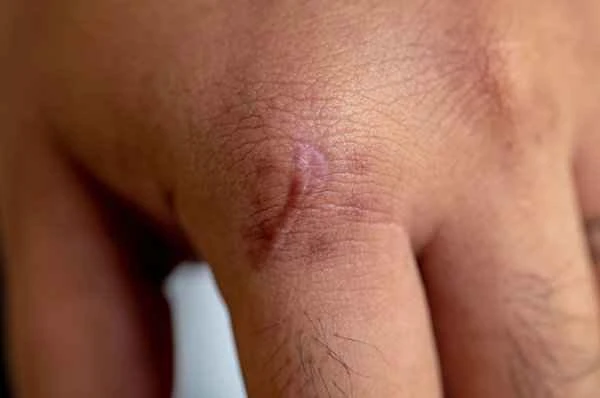
[Prevention Tips:]
1. Keep the wound clean to prevent infection.
2. During the wound healing process, avoid excessive activity to reduce tension on the scar tissue.
3. Use medications or treatments recommended by your doctor, such as silicone sheets or pressure garments, to help control scarring.
4. Regularly observe changes in scar tissue and promptly identify and address any abnormalities.