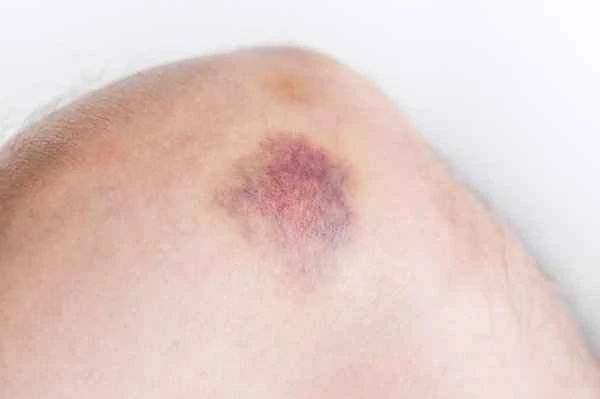
The diagnosis of scar cancer primarily relies on clinical manifestations, imaging examinations, and pathological biopsy. Scar cancer refers to malignant changes that occur in long-standing scar tissue, leading to cancer. A comprehensive approach using multiple diagnostic methods is necessary to ensure diagnostic accuracy.
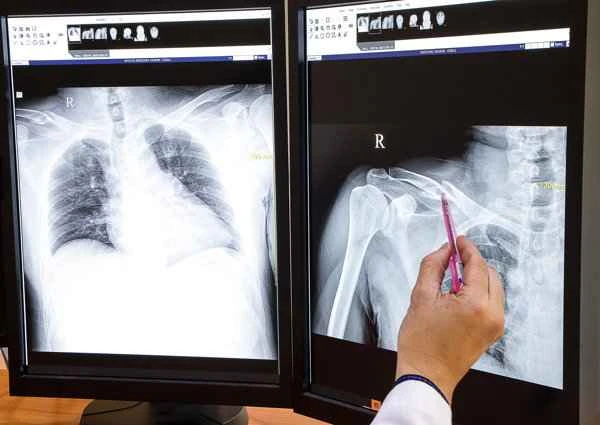
Doctors will make an initial assessment based on the patient's clinical presentation. Patients with scar cancer may experience symptoms such as abnormal growth, pain, and bleeding at the scar site. These symptoms indicate the need for further examination. Imaging examinations, including ultrasound, CT, and MRI, are crucial for diagnosing scar cancer. These examinations help doctors understand the morphology, size, boundaries, and relationship of the scar tissue with surrounding tissues, thus determining the presence of malignancy. Imaging examinations only provide indirect evidence; a definitive diagnosis requires a pathological biopsy. A pathological biopsy involves taking a small sample of scar tissue for microscopic examination to determine the presence of cancer cells. This is the gold standard for diagnosing scar cancer, clearly defining the type and extent of the cancer.
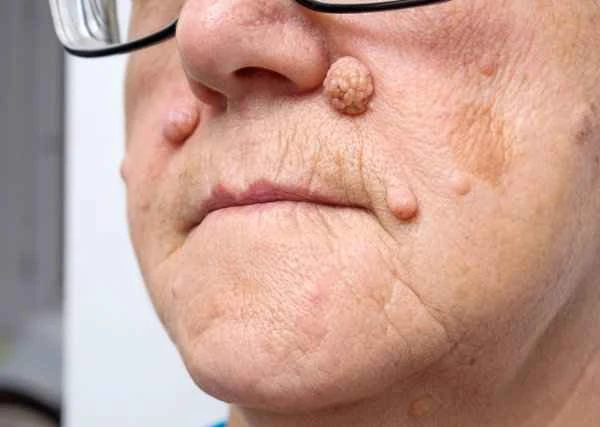
In diagnosing scar cancer, it's crucial to avoid some common misconceptions. Not all scars will develop into cancer; only long-standing scars with abnormal changes have the potential to become cancerous. A definitive diagnosis requires a comprehensive approach using multiple diagnostic methods; a conclusion cannot be drawn solely based on imaging results. Finally, treatment for scar cancer requires a holistic consideration of the patient's specific circumstances, including age, physical condition, and the degree of cancer development, to create an individualized treatment plan.
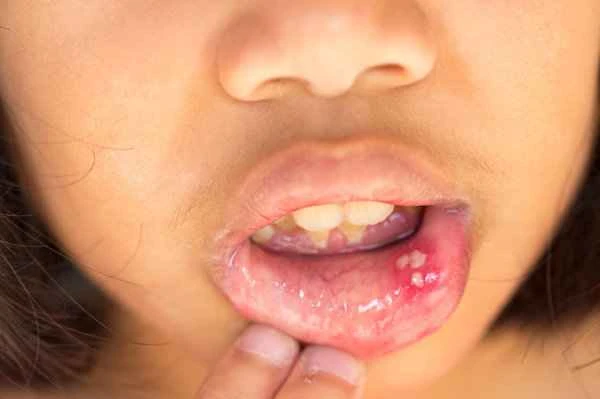
[Management Tip:]
1. Have regular physical examinations of the scar area and pay attention to changes in the scar.
2. If any abnormal symptoms occur, such as pain or bleeding at the scar site, seek medical attention promptly.
3. For long-standing scars, it is recommended to undergo imaging examinations and pathological biopsies to rule out the possibility of malignancy.