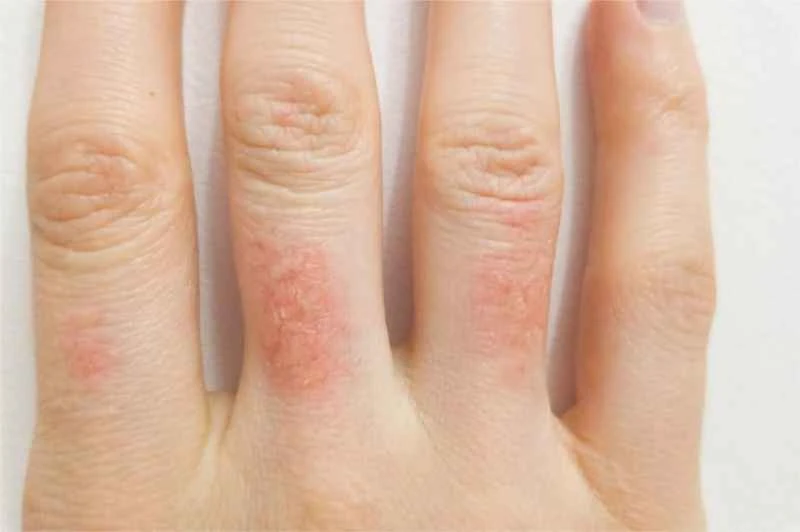
Scar depth is determined by measuring the degree of difference between scar tissue and surrounding normal skin tissue using medical methods.
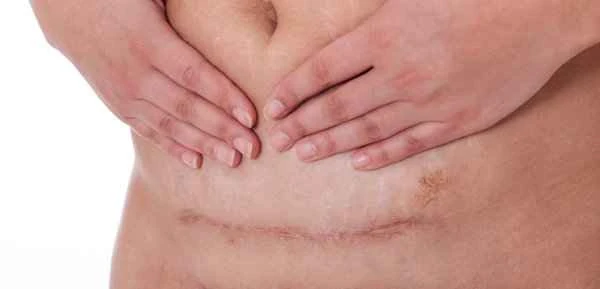
Determining scar depth is crucial for assessing wound healing, developing treatment plans, and predicting scar progression. It helps doctors understand the nature of the scar, enabling them to implement more effective treatments and avoid discomfort and functional impairment caused by excessive scar tissue growth.
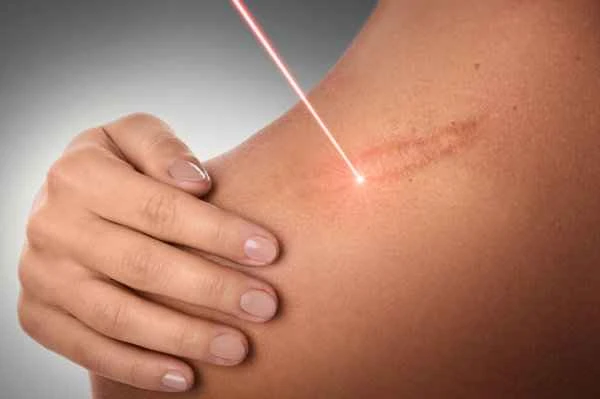
Scar depth is typically assessed through clinical examination and imaging studies. Doctors observe the scar's color, hardness, surface morphology, and palpate to assess its firmness and elasticity. Imaging studies such as ultrasound or MRI can more precisely measure the thickness and structure of scar tissue. These examinations help doctors accurately determine scar depth, enabling them to provide personalized treatment recommendations for patients. Through these methods, doctors can determine whether a scar is superficial, partially thick, or full-thickness, thus deciding whether surgical excision, medication, or other interventions are necessary.

When interpreting scar depth assessment results, it's crucial to recognize that these results represent only one aspect of assessing scar characteristics. Scar formation and healing are complex processes influenced by numerous factors, including individual differences, wound management methods, and treatment interventions. Scar depth assessment results should be considered in conjunction with other clinical information. When following your doctor's advice, avoid over-interpreting test results to prevent unnecessary anxiety and misunderstandings. It's also essential to adhere to medical advice, schedule regular follow-up appointments, and adjust treatment plans promptly.
【Useful Tips:】
1. Understand the basic methods for assessing scar depth, including clinical examination and imaging examination.
2. When undergoing a scar depth assessment, describe the scar's condition to the doctor in detail, including its color, hardness, and surface morphology.
3. Based on the doctor's advice, develop a personalized treatment plan, such as medication, physical therapy, or surgery.
4. Regular follow-up examinations are necessary to adjust the treatment plan in a timely manner and avoid discomfort and functional impairment caused by excessive scar hyperplasia.