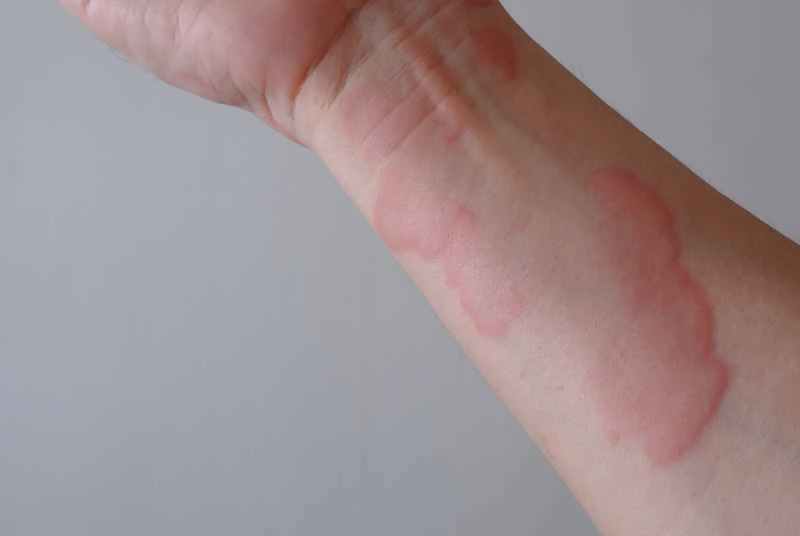
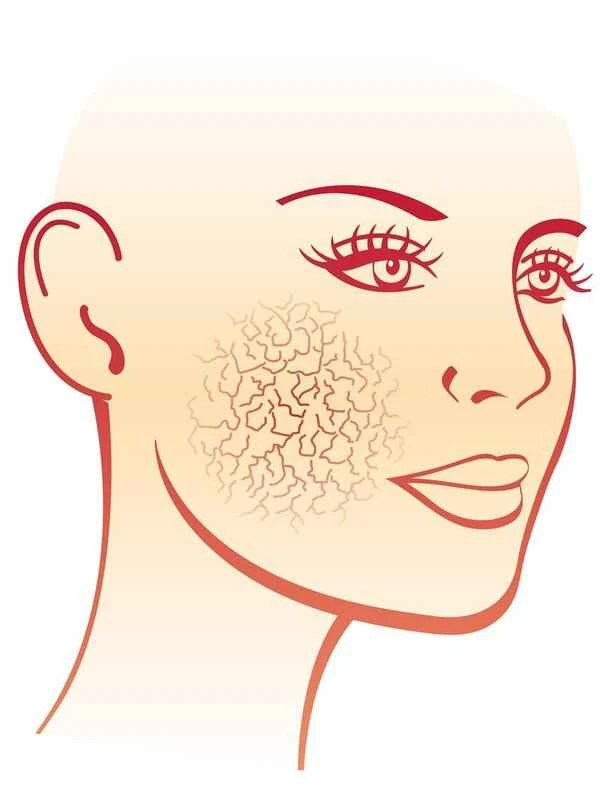
The reduction of redness in hypertrophic scars is primarily achieved by decreasing inflammation and promoting scar maturation. The red appearance of hypertrophic scars is mainly due to vascular proliferation and inflammation within the scar tissue. The process of reducing redness requires a comprehensive approach, including medication, physical therapy, and lifestyle modifications. For medication, corticosteroids can be used to reduce inflammation and promote scar maturation. For physical therapy, methods such as laser therapy and cryotherapy can be used to reduce the number of blood vessels in the scar tissue, thereby lessening the redness. Avoiding irritation and friction to the scar tissue and maintaining good wound care habits are also important measures for reducing redness.
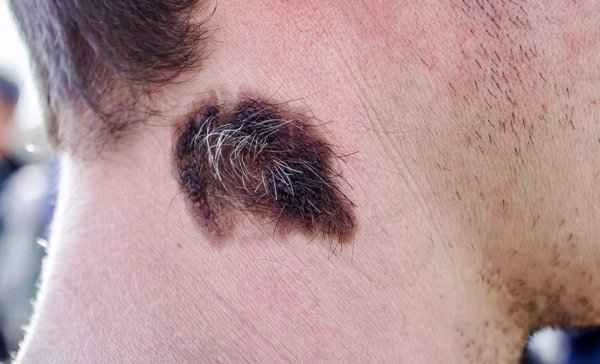
When treating hypertrophic scars, it's important to note that while the methods mentioned above can help reduce the redness of the scar, they cannot completely eliminate it. The choice of treatment method should be based on individual circumstances and the doctor's advice. Furthermore, some side effects may occur during treatment, such as thinning of the skin and hyperpigmentation, which should be appropriately managed under the guidance of a doctor. Some patients may have overly high expectations for the treatment results and ignore the potential risks and side effects. This misconception may lead to poor treatment outcomes or unnecessary complications.
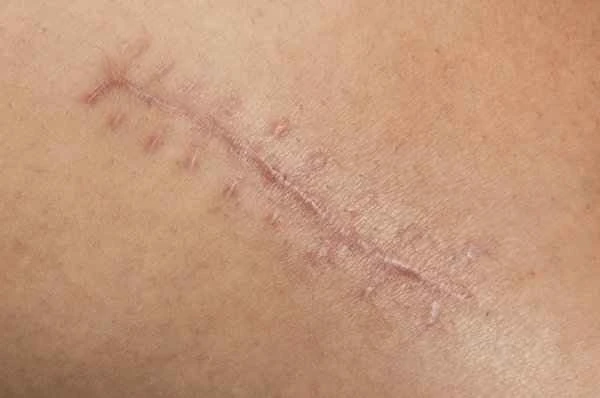
[Management Tip:]
1. Use corticosteroids to reduce the inflammatory response.
2. Use laser therapy or cryotherapy to reduce the number of blood vessels.
3. Avoid irritating and rubbing the scar tissue, and maintain good wound care habits.