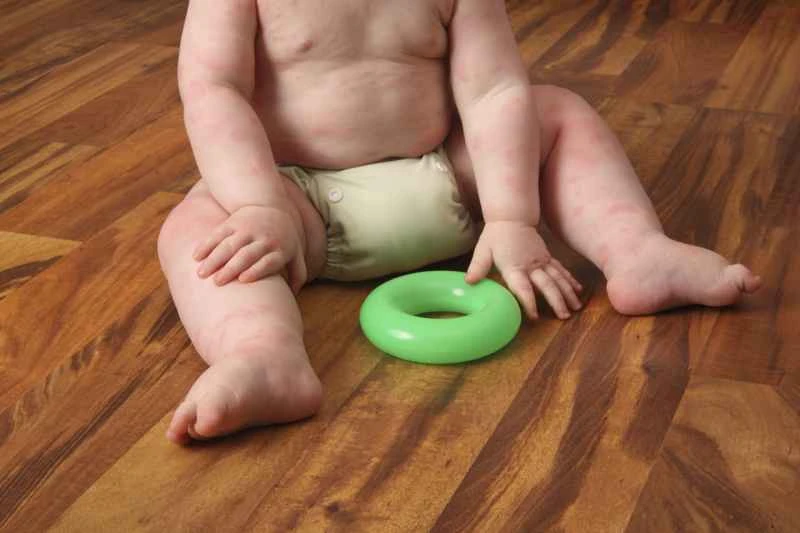
Measuring the thickness of a keloid scar is an important step in assessing its severity. A keloid is an overgrowth of scar tissue that typically forms after skin trauma or surgery. Measuring its thickness helps doctors determine the progression of the keloid and develop an appropriate treatment plan.
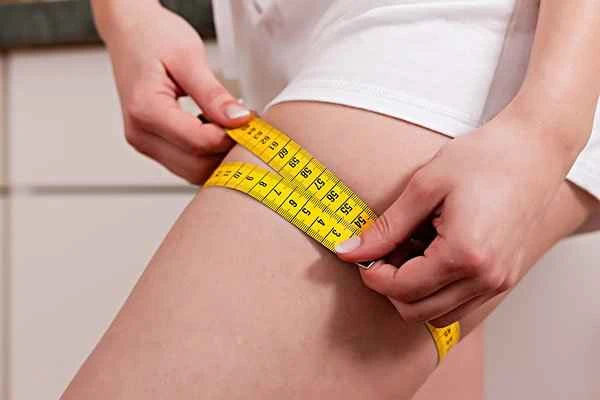
Measuring the thickness of keloid scars typically requires specialized measuring tools, such as calipers or micrometers. These tools provide accurate measurements, helping doctors understand the actual condition of the keloid scar. During measurement, the patient should be in a comfortable position to avoid measurement errors caused by improper posture. The thickest part of the keloid scar should be measured to ensure accuracy. Usually, doctors will take multiple measurements at different locations on the keloid scar and use the average as the final result. This provides a more comprehensive understanding of the keloid scar's shape and size, informing subsequent treatment decisions.

When measuring the thickness of keloid scars, several potential risks and misconceptions should be considered. Keloid scar measurements should be performed by qualified medical professionals to ensure accuracy and reliability. Measurement results should be analyzed in conjunction with the patient's clinical symptoms and other examination findings to avoid making a diagnosis based solely on measurement results. Keloid scar treatment is a long-term process requiring collaboration between the patient and doctor, including regular monitoring of keloid changes and timely adjustments to the treatment plan.
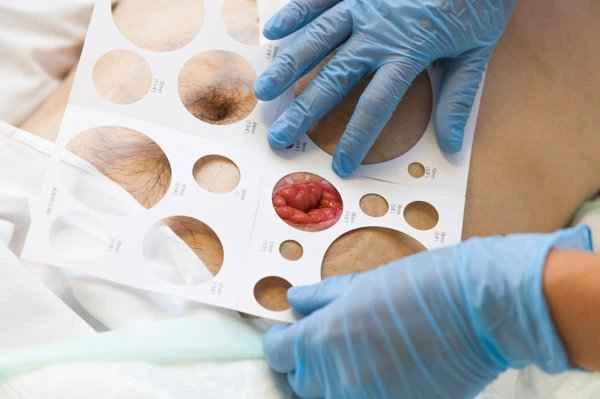
[Management Tip:]
1. Regularly measure the thickness of keloids using professional tools.
2. Analyze the measurement results comprehensively by combining clinical symptoms and other examination results.
3. Regular follow-up visits are necessary to adjust the treatment plan based on changes in the keloid scars.