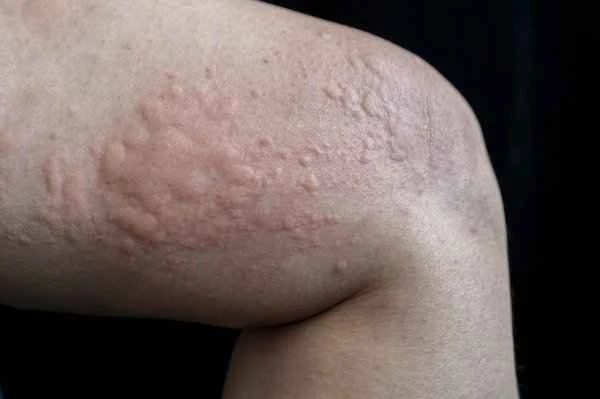
Scar softening refers to a series of treatments that gradually soften scar tissue, thereby improving the appearance and texture of the skin.
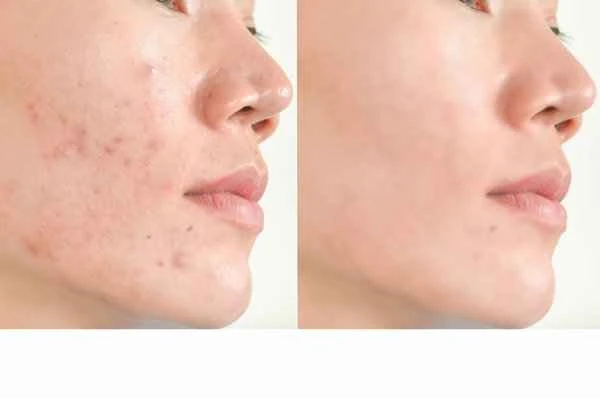
Softening of acne scars primarily relies on promoting the repair and regeneration of skin tissue. This process typically involves multiple mechanisms, including the reduction of inflammation, collagen remodeling, and skin cell regeneration. Inflammation is a significant factor in scar formation; anti-inflammatory medications can effectively reduce inflammation, laying the foundation for subsequent treatment. Collagen remodeling is a crucial step in scar softening, which can be achieved by using topical medications containing ingredients such as hyaluronic acid and vitamin E to promote collagen synthesis and arrangement, thereby improving skin elasticity and softness. Finally, skin cell regeneration is also an important factor in scar softening, which can be achieved by using topical medications containing growth factors to promote skin cell regeneration, thus accelerating the skin repair process.
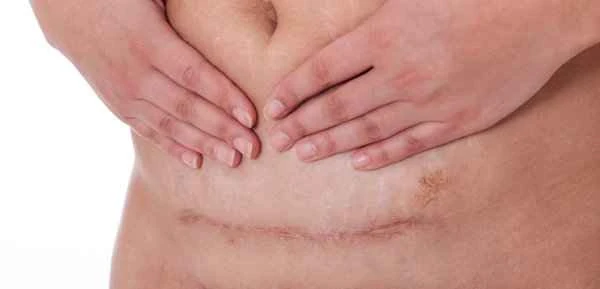
When treating acne scars, it's important to note that everyone's skin condition and reaction are different. Therefore, the choice of treatment method should be based on individual circumstances. Treating acne scars is not a quick process; it requires patience and consistent treatment. Furthermore, some unregulated treatments may damage the skin. Therefore, when choosing a treatment method, it's crucial to select one that has been clinically proven to be safe and effective.
[Management Tip:]
1. Use topical medications containing anti-inflammatory ingredients, such as products containing vitamin E and hyaluronic acid.
2. Keep your skin clean and avoid using harsh skincare products.
3. Have regular skin checkups to detect and treat new acne scars promptly.
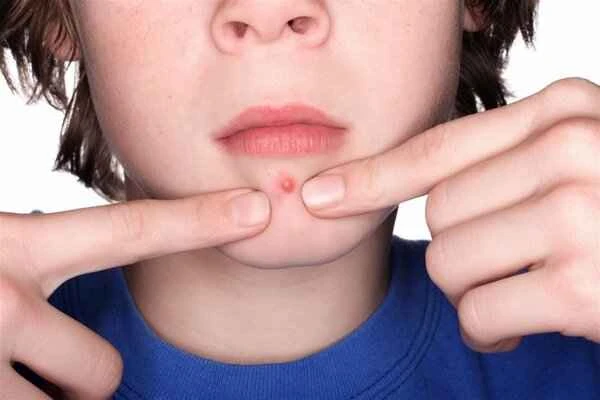
4. During treatment, avoid squeezing or rubbing the acne scars to prevent aggravating the inflammatory response.