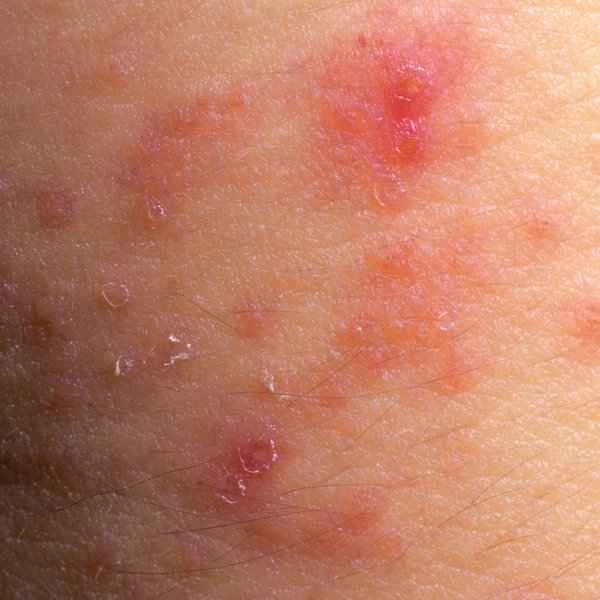
Hypertrophic scarring may occur after facial surgery, which is a possible postoperative reaction. Understanding this phenomenon helps us better prevent and manage postoperative scarring, thereby improving surgical outcomes and the patient's quality of life. During facial surgery, doctors will take preventative measures based on the patient's specific situation to reduce the risk of hypertrophic scarring.
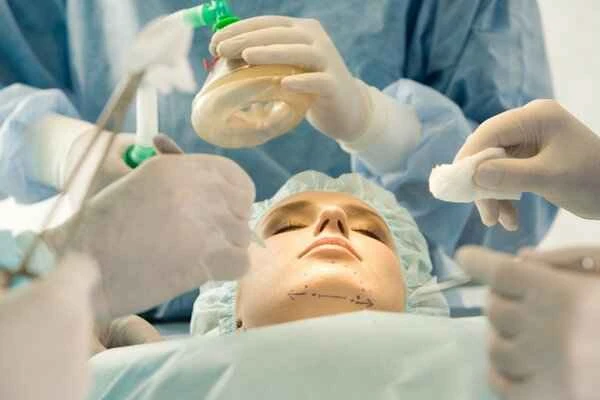
Hypertrophic scarring refers to the excessive growth of skin tissue during the wound healing process after surgery, resulting in scars that are higher than the surrounding skin. This phenomenon not only affects appearance but can also cause discomfort. The occurrence of hypertrophic scarring is related to various factors, including individual differences, surgical techniques, and postoperative care. Understanding the causes and prevention methods of hypertrophic scarring is of great significance in reducing its occurrence.

When following your doctor's advice, the most important thing to be wary of is worrying excessively about scarring and neglecting other important aspects of postoperative recovery. Proper postoperative care and regular follow-up appointments are key to preventing hypertrophic scarring. Maintaining a positive attitude and avoiding anxiety and stress also helps reduce the risk of hypertrophic scarring.
【Useful Tips:】
1. Choose an experienced doctor to perform the surgery to reduce the risk of hypertrophic scarring.
2. Follow your doctor's postoperative care instructions, keep the wound clean, and avoid infection.
3. Use anti-scarring medications or products recommended by your doctor, such as silicone sheets or gels.
4. Regular check-ups are necessary to detect and address any potential scar hyperplasia issues promptly.